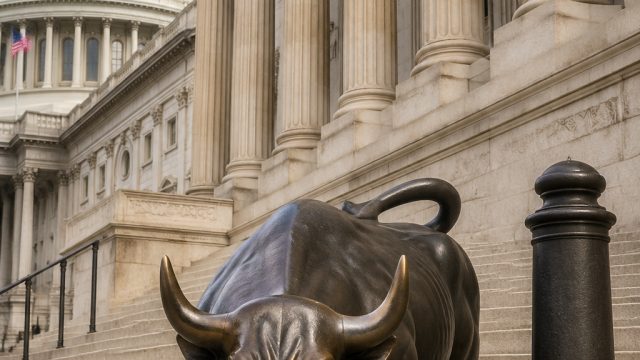
In a significant development for the banking sector, all major U.S. banks have successfully passed the Federal Reserve's annual stress test. This crucial evaluation has not only reaffirmed the stability of these financial institutions but has also set the stage for increased shareholder distributions, including dividends and stock buybacks. As banks prepare to unlock their capital reserves, the implications for the economy and investors are worth examining closely.
The Stress Test Explained
The Federal Reserve conducts the stress test annually to ensure that large banks can withstand economic shocks and operate effectively in challenging conditions. This year’s results show that the nation’s largest banks have sufficient capital buffers to weather potential financial downturns, which is particularly reassuring given the fluctuating economic landscape influenced by global events.
Why This Matters Now
With the economic recovery from the pandemic still in progress, this news comes as a boon for both the banking sector and the broader economy. The ability of banks to confidently return capital to shareholders signifies a robust financial environment, essential for encouraging investment and consumer spending. As investors look for solid returns amidst uncertain times, the affirmation of bank stability can lead to increased confidence in the stock market.
Investment Opportunities Arising from Stress Test Results
The implications of the stress test results stretch far and wide for investors. Here are some key opportunities that may arise:
- Increased Dividends: Banks are likely to boost their dividend payouts. For investors seeking income, this could translate into a more attractive yield.
- Stock Buybacks: Many banks may engage in stock buybacks, which can enhance shareholder value by reducing the number of outstanding shares.
- Sector Growth: A healthy banking sector typically leads to increased lending, which can stimulate economic growth and enhance business investment opportunities.
What Investors Should Consider
As banks gear up for potential payouts, investors should consider several factors when looking to capitalize on the situation:
- Diversification: While banking stocks may be appealing, ensure your portfolio is diversified across different sectors to mitigate risks.
- Market Trends: Keep an eye on market trends and economic indicators to make informed investment decisions.
- Long-term Strategy: Consider a long-term investment strategy rather than seeking quick gains, as the market can be volatile.
Broader Economic Impact
The passing of the stress test is not just good news for banks and investors; it also speaks volumes about the overall health of the economy. A stable banking system is vital for financial stability, affecting consumer confidence and spending. Here are some ways this could play out:
- Increased Lending: With more capital available, banks are likely to increase lending to consumers and businesses, which can drive economic growth.
- Consumer Confidence: As banks demonstrate resilience, consumer confidence may rise, leading to increased spending and investment.
- Job Creation: An uptick in lending and spending can foster an environment conducive to job creation, further bolstering the economy.
The Future of Banking Post-Stress Test
As banks embark on their next steps following the stress test results, it is crucial to monitor how they balance shareholder returns with their lending practices. This balance will ultimately determine the long-term sustainability of both the banking sector and economic recovery.
Conclusion
The successful completion of the Federal Reserve's stress test signifies a positive outlook for U.S. banks and the economy at large. For investors, the potential for increased dividends and stock buybacks presents a unique opportunity to enhance their portfolios. As we move forward, staying informed about the implications of these developments will be crucial for making sound investment decisions. Now is the time to explore the opportunities that arise from this momentous event in the banking industry.