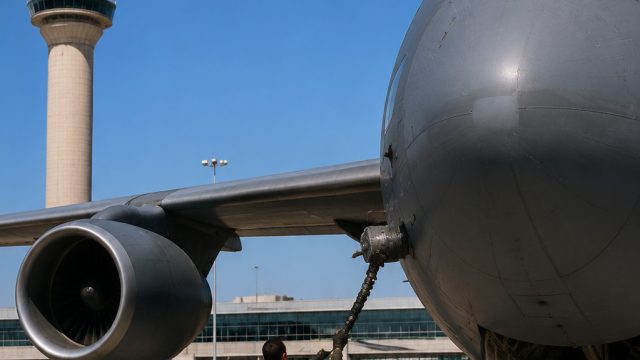
In a strategic move to facilitate smoother summer travel, the United States has initiated the withdrawal of several refueling aircraft stationed at Ben Gurion Airport in Israel. This decision, influenced by requests from Israeli officials, aims to alleviate operational pressures at one of the busiest airports in the region, particularly during the peak travel season.
Understanding the Context of the Withdrawal
Reports from Hebrew media indicate that the US military began reducing its presence at Ben Gurion Airport after Israeli authorities raised concerns about congestion, especially as summer travel ramps up. With more travelers expected during this time, the US's decision seems to be a cooperative effort to support Israel's tourism and aviation sectors.
The Importance of Military Aircraft in the Region
US military aircraft have been a staple at Ben Gurion for various operational purposes, including refueling missions and logistical support. However, as summer approaches, the need for space and efficiency at the airport has become critical:
- Operational Efficiency: The reduction of military aircraft helps to streamline airport operations.
- Increased Passenger Traffic: With the influx of tourists and travelers, easing congestion is paramount.
- Strategic Cooperation: This move highlights the ongoing collaboration between the US and Israel.
Impact on Summer Travel
The summer months are crucial for tourism in Israel, with many international travelers flocking to the nation for its rich history and diverse culture. The reduction in military aircraft is expected to have a positive impact on travel logistics:
Smoother Operations Ahead
As airport authorities anticipate a surge in passenger traffic, the presence of fewer military aircraft will likely translate to:
- Reduced Delays: Travelers may experience fewer delays due to less congestion on the tarmac.
- Enhanced Travel Experience: A smoother check-in and boarding process can be expected.
- Greater Capacity: Airlines can utilize the available space more effectively.
Looking Ahead: Future Developments
While the immediate effects of the withdrawal are focused on improving travel conditions, there are broader implications for US-Israel relations and regional security. As the US adjusts its military footprint, the focus may shift toward more diplomatic engagements and discussions about regional stability.
Strategic Considerations
This aircraft reduction may also suggest a changing approach by the US in how it manages its military resources in the Middle East. Key points to consider include:
- Military Readiness: The US must balance its military commitments while addressing the needs of its allies.
- Support for Tourism: Enhancing civilian travel can strengthen international ties.
- Operational Flexibility: The ability to adapt to changing circumstances in the region is crucial.
Conclusion
The US's decision to reduce the number of refueling aircraft at Ben Gurion Airport is more than just an operational adjustment; it reflects a commitment to fostering a more favorable environment for summer travel in Israel. As the nation prepares for an influx of visitors, this strategic collaboration may pave the way for enhanced relations and a revitalized tourism industry. As travelers plan their summer adventures, the improvement in airport operations will undoubtedly contribute to a more enjoyable experience.