
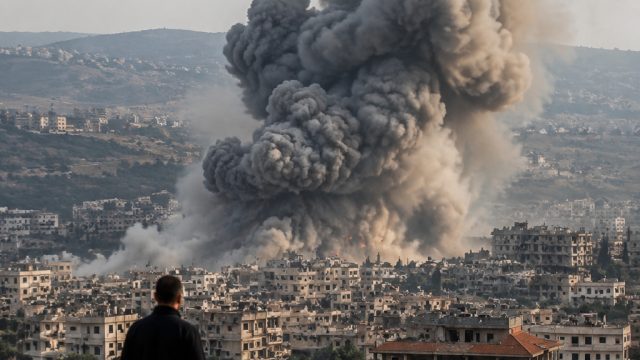
Recent developments in southern Lebanon have put the fragile ceasefire under significant strain, as reports emerge of a deadly airstrike attributed to Israeli forces. This incident, which occurred in Nabatieh al-Fawqa, underscores the fragile state of peace in the region and raises urgent questions about the future of stability in Lebanon and its surrounding territories.
Details of the Incident
On a day that was meant to signal a pause in hostilities, two individuals tragically lost their lives due to an airstrike believed to be executed by Israeli military forces. The attack targeted a vehicle in Nabatieh al-Fawqa, resulting in its complete destruction and drawing condemnation from local and international observers alike.
The Context of the Ceasefire
This latest strike is particularly concerning as it violates a recently established ceasefire agreement, meant to ease tensions following ongoing confrontations in the region. The ceasefire was intended to provide a respite for civilians and allow humanitarian efforts to progress, but the continuation of aerial assaults suggests a deeper crisis that needs urgent addressing.
Implications for Regional Stability
The ramifications of this escalation extend beyond Lebanon's borders. With ongoing conflicts in neighboring countries, such as Syria, and a history of hostilities involving Israel, the renewed violence poses risks of a wider regional conflict. Analysts caution that such actions could provoke retaliatory responses from various factions, further destabilizing the area.
Potential Responses
- International Reactions: Global leaders, especially from the United Nations, may need to intervene to mediate and restore peace to the region.
- Local Governance: Lebanese authorities could face pressure to respond to these aggressions decisively, balancing the need for security with the risk of escalating violence.
- Civilian Safety: The immediate concern remains the safety of civilians who are caught in the crossfire, emphasizing the dire need for effective conflict resolution strategies.
The Humanitarian Crisis
In addition to the immediate loss of life, this renewed aggression exacerbates the ongoing humanitarian situation in southern Lebanon. The conflict has already led to thousands of displaced residents and a strain on humanitarian resources. Organizations working in the area face increasing challenges as they respond to the needs of those affected by violence.
Urgent Need for Aid
Humanitarian agencies are calling for increased support to help the affected populations. Essential services such as medical care, food supply, and shelter are now more critical than ever. The international community's support could play a vital role in alleviating the suffering of those trapped in this cycle of violence.
Conclusion: A Call for Peace and Stability
This recent airstrike serves as a stark reminder of the volatility in southern Lebanon and the importance of diplomatic efforts to restore peace. As tensions rise, the potential for further violence looms over the region, highlighting the urgent need for dialogue and reconciliation among all parties involved. It is essential for the global community to advocate for a sustainable solution that prioritizes the safety and well-being of civilians, fostering a path towards lasting peace.
The situation in southern Lebanon underscores how quickly peace can be disrupted. With the ongoing conflict and humanitarian needs, staying informed and engaged is critical for those concerned about regional stability. Keep following the developments at Tarsico for timely insights and updates.




