US-Iran Nuclear Talks: A Turning Point in Diplomacy
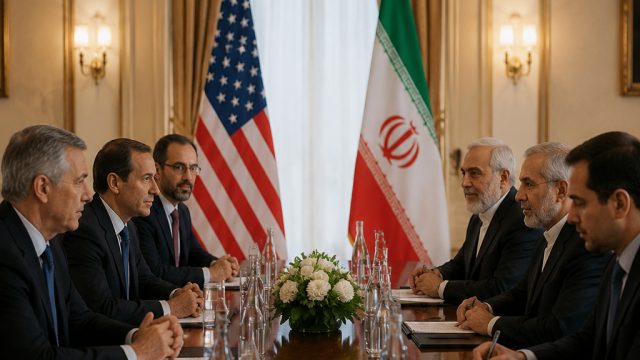
In a significant development for international diplomacy, U.S. officials have announced that Iran has agreed to allow UN nuclear inspectors back into the country. This decision marks a crucial moment in the ongoing negotiations surrounding Iran’s nuclear program and signals a potential thawing of relations between Tehran and Washington. As tensions have fluctuated over the years, the recent talks provide a glimmer of hope for a more cooperative future.
The Context of the Agreement
The agreement comes in the wake of various diplomatic initiatives aimed at curbing Iran's nuclear ambitions, which have long been a point of contention between Iran and the West. Under the framework established during the Obama administration, known as the Joint Comprehensive Plan of Action (JCPOA), Iran committed to limits on its nuclear activities in exchange for sanctions relief. However, the withdrawal of the U.S. from the agreement in 2018 led to increased tensions and a series of escalatory measures by both sides.
Recent Developments
- Iran's commitment to allow inspections is seen as a significant step forward.
- Negotiations between U.S. and Iranian officials have intensified, showcasing a desire for resolution.
- Diplomatic efforts have been bolstered by support from European allies.
The Implications for Global Security
The return of UN inspectors to Iran is not just a regional issue; it has global implications. Ensuring that Iran remains compliant with nuclear regulations helps to mitigate risks associated with nuclear proliferation. The agreement could serve as a model for addressing similar conflicts around the world, emphasizing the importance of diplomatic engagement over military confrontation.
Potential Risks and Challenges
Despite these positive strides, several challenges remain:
- The potential for hardline factions within Iran to oppose agreements.
- Ongoing tensions with Israel, which views Iran’s nuclear capacity as a direct threat.
- Domestic pressures in the U.S., where public opinion on foreign policy can be volatile.
Why This Matters Now
As the international community grapples with various crises, including geopolitical unrest and economic instability, the revival of constructive dialogue with Iran is timely. The success of these negotiations may set the tone for future diplomatic efforts across the globe, particularly as other nations face similar issues regarding nuclear capabilities and security. With rising concerns about nuclear arms races in various regions, the effectiveness of these talks will be closely monitored.
Looking Ahead
As we move forward, the world will be watching closely to see how the U.S.-Iran dialogue unfolds. The willingness to engage and cooperate could pave the way for a more stable and peaceful international landscape. It’s a reminder that diplomacy, even in the most challenging circumstances, remains a powerful tool for achieving lasting peace.
Conclusion
The current developments in U.S.-Iran nuclear talks represent a significant moment in international relations. By allowing UN inspectors back into Iran, both sides appear to be taking steps toward reducing tension and fostering a more secure global environment. As we monitor these changes, the importance of diplomatic engagement takes center stage, highlighting its role in addressing complex global challenges.