
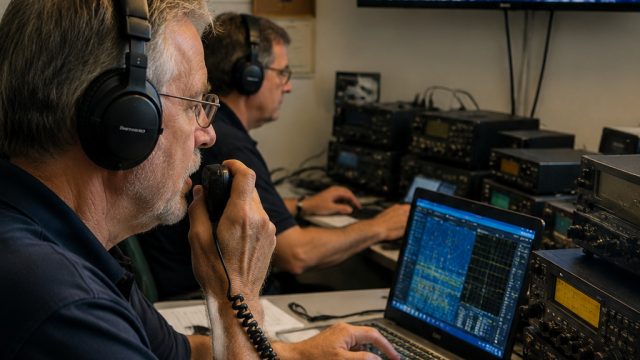
In a rapidly evolving technological landscape, where satellite communication is becoming increasingly accessible, a clash is brewing between amateur radio enthusiasts and AST SpaceMobile. The controversy revolves around AST's ambitious proposal to operate in the 430 to 440 MHz amateur radio band, which has raised alarm bells among seasoned ham radio operators.
The Implications of AST SpaceMobile's Proposal
AST SpaceMobile, a firm vying to provide satellite-to-phone connectivity, has outlined its plans to utilize a frequency range traditionally reserved for amateur radio. This frequency is critical for ham operators who rely on it for various communications, including emergency services and personal interactions. Many within the ham radio community fear that such moves could jeopardize their ability to operate effectively, particularly as the demand for spectrum space continues to grow.
Understanding the Concerns
Amateur radio operators are expressing discontent over AST's vague approach regarding how it intends to share this vital frequency. Concerns include:
- Interference Hazards: The potential for interference with existing ham radio operations could disrupt critical communications, particularly in emergencies where reliable contact is essential.
- Vagueness of Plans: Operators feel that AST has not provided sufficient details about how they will mitigate interference, leading to distrust in the company's intentions.
- Accessibility of Spectrum: With the expanding number of satellite services entering the market, the risk of spectrum encroachment on amateur bands becomes a pressing issue.
The Role of the FCC
The Federal Communications Commission (FCC) plays a crucial role in managing spectrum allocation and ensuring fair access for all communication forms. As AST SpaceMobile awaits regulatory approval, the FCC's decisions will significantly impact both the company and amateur radio users. The balancing act between fostering new technologies and protecting established communication channels remains a contentious issue.
Why This Matters Now
The current conflict could set a precedent for future satellite communication services and their interaction with existing radio frequencies. As more companies look to leverage satellite technology for global communication, ensuring that amateur radio remains viable is paramount. The community is not just concerned with their current operations but also the future of radio communication as a whole.
Broader Implications
With the ongoing push for innovation in satellite technology, understanding the implications of spectrum sharing is critical for users across various domains:
- Innovation vs. Tradition: How will traditional forms of communication adapt in an era dominated by satellite technology?
- Future Regulations: Will regulations evolve to protect amateur bands, or will commercial interests dominate frequency allocation?
- Community Dynamics: How will this affect the community of amateur radio operators, and will they be able to unite against potential threats?
Community Response
In light of these developments, amateur radio clubs and federations are mobilizing to voice their concerns. They are advocating for:
- Clear communication from AST regarding their operational plans.
- Increased involvement in regulatory discussions with the FCC.
- Broad awareness campaigns to educate the public about the essential role of amateur radio, especially during crises.
Join the Discussion
The ongoing dialogue between AST SpaceMobile and amateur radio operators serves as a reminder of the tensions that can arise in a rapidly changing technological landscape. Stakeholders from both sides are encouraged to engage in constructive discussions to find a solution that accommodates the needs of new technologies while respecting the established practices of amateur radio.
Conclusion
As we progress further into the 21st century, the relationship between satellite technology and traditional communication methods will only become more intertwined. The current discourse surrounding AST SpaceMobile's plans is not just about a single company’s ambitions; it reflects broader trends that could shape the future of communication. It is imperative for all stakeholders to remain vigilant and proactive in addressing these challenges, ensuring a harmonious coexistence that benefits everyone.




