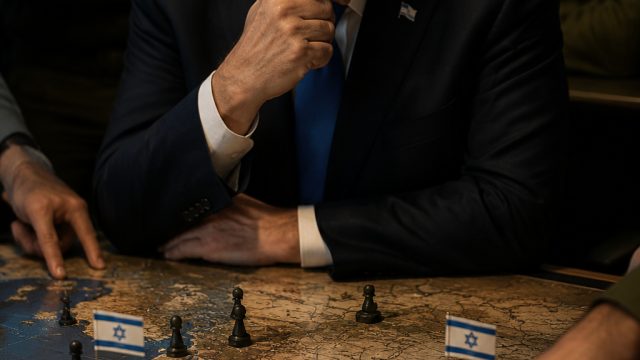
As Benjamin Netanyahu navigates through one of the most precarious phases of his political career, the stakes have never been higher for Israel. For over thirty years, Netanyahu has framed the Iranian nuclear program as Israel's primary existential threat, asserting that only decisive action can neutralize this danger. However, recent developments hint at a complex scenario unfolding that may be beyond his control.
Understanding Netanyahu's Long-standing Narrative
Netanyahu's rhetoric surrounding Iran has been a consistent theme in his political narrative. He has built a case for maintaining a strong defense posture, urging the international community to take a hard stance against Tehran. By presenting Iran as a looming threat, he has garnered support for military spending and strategic alliances with Western powers.
The Historical Context of Israeli-Iranian Tensions
- 1980s-1990s: The origins of Israeli-Iranian tensions began after the Islamic Revolution.
- Early 2000s: The focus shifted to the nuclear ambitions of Iran.
- 2010s: Netanyahu's persistent warnings culminated in increased sanctions and diplomatic isolation of Iran.
The Current Landscape: A New Era of Challenges
Today, the geopolitical landscape is shifting. With recent agreements brokered between Iran and other nations, Netanyahu faces a challenge that questions the efficacy of his policies. The changing alliances in the Middle East complicate the situation further, with countries like Saudi Arabia and the UAE engaging with Tehran in unprecedented ways.
Key Developments Influencing the Region
Several factors contribute to the evolving dynamics:
- The Abraham Accords: Normalization deals between Israel and Arab states have altered traditional alliances.
- Shifting U.S. Policies: The Biden administration's approach to Iran is significantly different from Trump’s.
- Internal Politics in Iran: Changes in leadership and domestic pressures influence Tehran’s foreign policy.
What This Means for Netanyahu's Strategy
Netanyahu's longstanding strategy of isolating Iran is now under scrutiny. The reality on the ground suggests that he must adapt or risk losing credibility both domestically and internationally. The potential for conflict remains, but the means of addressing it may need to evolve.
The Risks of Military Escalation
While military action could provide a temporary solution, the risks are substantial. An escalation could lead to:
- Wider Regional Conflict: Engaging Iran militarily could provoke retaliation.
- Domestic Backlash: Citizens may oppose prolonged military engagements.
- International Isolation: Potential backlash from allies who advocate for diplomacy.
Looking Ahead: The Path Forward for Israel
As Israel stands at a crossroads, Netanyahu's decisions in the coming months will be critical. He must weigh the implications of his choices carefully, considering both short-term security and long-term stability. The international community's response and the internal political climate will heavily influence his strategy.
Potential Strategic Approaches
Netanyahu may consider various strategies moving forward:
- Diplomatic Engagement: Opening channels for dialogue with Iran and regional players to de-escalate tensions.
- Strengthening Alliances: Solidifying partnerships that enhance Israel's standing amidst changing dynamics.
- Public Communication: Effectively articulating the risks and rationale behind his decisions to the Israeli public.
Conclusion: Navigating a Complex Future
In conclusion, Netanyahu's political journey is intricately tied to the evolving situation regarding Iran and the broader Middle East. As he maneuvers through this complex landscape, the choices he makes will be pivotal not only for his political survival but also for Israel's future stability. Understanding these dynamics is crucial for anyone interested in the unfolding story of Israel and its place in a rapidly changing world.