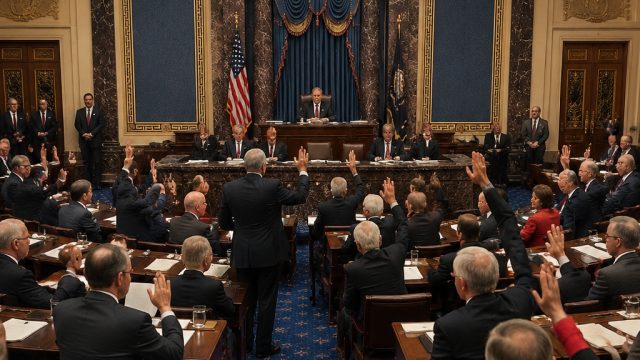
In a significant move that could reshape the landscape of U.S. foreign policy, the Senate has officially voted to limit the war powers of the President in response to ongoing tensions and military engagements in Iran. This decision, made amidst a backdrop of heightened scrutiny regarding the use of military force, signals an important shift in how Congress views its role in matters of national security.
Understanding the Resolution
The resolution passed by the Senate requires the President to terminate military operations in Iran unless authorized by Congress. This decisive action reflects growing concerns among lawmakers about the extent of executive power in military engagements without legislative oversight. As historical precedents show, unchecked military actions can lead to prolonged conflicts, and this vote aims to mitigate such risks.
The Implications of this Vote
- Restoration of Congressional Authority: The resolution reinforces the Constitution's intent, where Congress holds the power to declare war.
- Accountability in Foreign Affairs: The vote emphasizes the need for transparency and accountability in military decisions.
- Curbing Military Overreach: This legislative action aims to prevent future military overreach and the extension of conflicts without sufficient public discourse.
Why This Matters Now
The timing of this resolution is critical, coming at a moment when international relations are fraught with uncertainty. With various geopolitical tensions flaring, such as the ongoing issues in the Middle East, the Senate's decision provides a check on potential military engagements that could escalate into broader conflicts. As the public increasingly demands greater accountability from its leaders, this vote resonates with a populace wary of perpetual warfare.
Public Sentiment and Political Pressure
Public opinion surrounding U.S. military interventions has shifted dramatically over the years. Many citizens express skepticism regarding the effectiveness and necessity of military force in handling foreign crises. This resolution can be seen as a reflection of a more engaged electorate that demands their representatives to act with caution and deliberation. Key factors influencing this sentiment include:
- The aftermath of the Iraq War, which left lasting scars on American society.
- The increasing cost of military engagements, both in terms of finances and human lives.
- The growing influence of social media, allowing for rapid dissemination of information and facilitating public discourse.
Looking Ahead: The Future of War Powers
As the Senate's resolution heads to the House of Representatives, its fate remains uncertain. However, the discussions surrounding it will likely catalyze broader debates on the role of the executive branch in military decisions. Lawmakers from both parties have expressed the need for a re-evaluation of the War Powers Act, suggesting that a more comprehensive approach is necessary to address modern warfare.
Potential Outcomes
If the resolution passes through the House and is signed into law, it may set a new precedent regarding how military actions are authorized in the U.S. This could lead to:
- Stronger Legislative Oversight: Congress may gain a more significant role in discussions about military intervention.
- Increased Public Engagement: Citizens may become more involved in the political process regarding military issues.
- Enhanced Checks and Balances: A more collaborative approach to foreign policy decision-making could emerge, ensuring that all branches of government are involved in crucial decisions.
Conclusion
The Senate's recent vote to limit presidential war powers represents a pivotal moment in American politics. By taking a stand against unchecked military actions, lawmakers are reminding the executive branch of the essential checks and balances that underpin democracy. As this resolution moves forward, it has the potential to reshape not only U.S. foreign policy but also the relationship between the government and its citizens. The emphasis on legislative authority and accountability is a crucial step in fostering a more responsible and transparent approach to international relations.