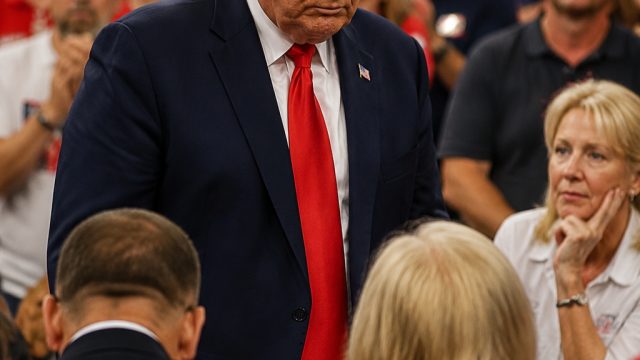
As the political landscape continues to evolve, former President Donald Trump faces notable challenges within his party, particularly following significant congressional votes aimed at limiting presidential war powers. The implications of these decisions are profound, not just for Trump, but also for the broader Republican Party. Understanding these dynamics is essential, especially as supporters and skeptics alike reassess their positions.
Understanding the Current Landscape
The recent Senate vote to restrict Trump's war powers regarding Iran has surfaced tensions within the Republican ranks. As political consultant Doug Heye discusses, the growing dissent is indicative of a shifting allegiance among congressional Republicans. This shift raises critical questions about Trump's influence and the future cohesion of the party.
Trump's Political Capital and Its Erosion
Trump's initial rise to prominence was fueled by a strong base of support among Republican voters. However, recent events suggest that this support is wavering:
- Change in Leadership Dynamics: As more Republicans voice opposition to Trump's decisions, his once-unquestioned leadership is being challenged.
- Impact of War Powers Vote: The Senate's decision to limit war powers significantly underscores a divide; many Republicans are concerned about unchecked executive authority.
- Grassroots Sentiments: A growing faction within the party is advocating for a reevaluation of ties to Trump, seeking to distance themselves from controversies surrounding his leadership.
The Importance of Congressional Votes
Votes in Congress are not merely procedural; they are reflective of broader ideological divides among party members. The recent war powers vote exemplifies how legislative actions can influence party unity and leadership:
Legislative Actions as Indicators
Key votes serve as barometers for gauging party sentiment:
- Significant Majority: The vote against Trump saw a significant number of Republicans cross party lines, signaling discomfort with his policies.
- Future Implications: Such votes may embolden more moderate Republicans to challenge Trump and advocate for alternative leadership.
- Voter Sentiment: As constituents express their views on these issues, elected officials respond, often aligning with the prevailing sentiments of their districts.
What This Means Going Forward
The ramifications of these developments extend beyond the immediate political arena. Trump's waning support among Republicans could reshape the landscape of the GOP for years to come:
Potential Outcomes for the Republican Party
The future of the Republican Party hinges on how these internal dynamics evolve:
- Leadership Changes: Should current trends persist, the GOP may see a shift in leadership, with those who are more aligned with mainstream Republican ideologies gaining prominence.
- Strategic Rebranding: As the party navigates these challenges, a reevaluation of its core message and values may be necessary to attract a broader voter base.
- Impact on Upcoming Elections: The upcoming electoral cycles will be critical for assessing the long-term impacts of these internal disputes.
Conclusion: A Crucial Moment for the GOP
The evolving situation surrounding Trump's support underscores a pivotal moment for the Republican Party. As congressional votes reflect deeper ideological divides, party members must grapple with their allegiance and the future direction of their political identity. Understanding these shifts is crucial not only for political insiders but also for average voters who are keenly observing how these developments may shape the landscape of American politics in the coming years.