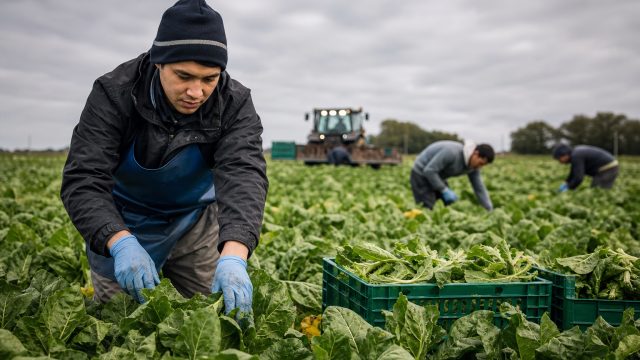
The Rise of Central Asian Workers in UK Agriculture Post-Brexit
As the UK grapples with the consequences of Brexit, one surprising trend has emerged in its agricultural sector: the increasing reliance on seasonal workers from Central Asia. These laborers, hailing from countries like Kyrgyzstan and Tajikistan, have become crucial to the farming industry, raising questions about the future of labor in the UK’s agricultural landscape.
The Shift in Agricultural Labor Force
In the decade since Brexit, UK farmers have faced significant challenges in attracting seasonal labor. The traditional sources of labor, primarily from Eastern Europe, have dwindled, leading many in the agricultural sector to look further afield. Central Asian workers have stepped in to fill this gap, providing essential manpower for the harvest of crops like strawberries, which are a staple of the British summer.
Why Central Asian Workers?
Several factors contribute to the growing presence of Central Asian laborers in UK agriculture:
- Labor Shortages: With Brexit limiting the flow of European workers, British farms have sought new sources of seasonal labor.
- Willingness to Work: Many Central Asian migrants are eager to take on seasonal work, often under challenging conditions, which makes them attractive to farmers.
- Government Programs: Initiatives aimed at recruiting workers from Central Asia have gained traction, providing a structured pathway for migrants to work in the UK.
The Economic Implications for Farmers
Farmers across the UK have voiced concerns over the sustainability of their operations without adequate seasonal labor. According to agricultural leaders, a shortage of workers could spell disaster for many farms, especially those reliant on manual labor for harvesting.
This situation has prompted farmers to adapt their strategies. With Central Asian workers now making up a significant portion of the seasonal labor force, many farms are finding a new rhythm in their operations. Here’s how:
Adaptation Strategies
Farmers are implementing various strategies to leverage the influx of Central Asian workers effectively:
- Training Programs: Many farms are introducing training for new workers to ensure they meet the specific demands of agricultural tasks.
- Community Integration: Efforts are underway to help Central Asian workers integrate into rural communities, which can improve job satisfaction and retention rates.
- Innovative Farming Techniques: With a reliable workforce, some farmers are exploring new farming technologies and methodologies to enhance productivity.
The Cultural Impact on UK Farming
The introduction of Central Asian workers has not only transformed the labor landscape but also enriched the cultural tapestry of UK farms. As these workers bring their traditions and customs, the agricultural sector is experiencing a blend of cultures that is becoming increasingly evident.
Cultural Exchange and Community Building
The presence of Central Asian workers has paved the way for cultural exchange, which can benefit both the farms and the workers:
- Culinary Diversity: New culinary traditions introduced by workers can enhance local food offerings and community events.
- Shared Knowledge: Central Asian workers often bring unique agricultural knowledge that can complement traditional British farming practices.
- Social Connections: Building relationships between local residents and migrant workers fosters a sense of community and mutual support.
Looking Ahead: The Future of UK Agriculture
As we look toward the future, the role of Central Asian workers in UK agriculture appears set to grow. With ongoing labor shortages and the need for a robust workforce, farmers will continue to rely on these workers to sustain their operations. The challenge moving forward will be to ensure fair treatment and working conditions for these vital contributors to the UK economy.
In conclusion, as Brexit reshapes the landscape of labor in the UK, the rise of Central Asian workers signals a significant shift in how British agriculture operates. Understanding and embracing this change will be essential for farmers and policymakers alike to ensure the sustainability and growth of the sector.