
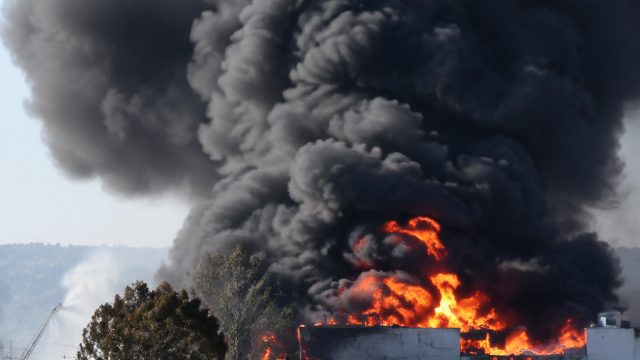
As the Boyle Heights warehouse fire enters its second week, the Environmental Protection Agency (EPA) is closely monitoring air quality levels in the surrounding areas. Initial reports indicate dangerous pollution levels, raising health alarms among local residents. With the fire still smoldering, the urgency to address air quality concerns has never been more critical.
The Situation Unfolding
The fire at the Lineage Logistics warehouse, a key cold storage facility, has been burning since last week, creating extensive smoke and ash that permeate the Boyle Heights community. Residents have expressed growing fears over the potential health impacts of prolonged exposure to air pollutants.
What We Know So Far
- Duration: The fire has persisted for over a week, with no immediate resolution in sight.
- Pollutants: The EPA is currently assessing the types and levels of pollutants released into the air.
- Health Risks: Authorities have warned that exposure to smoke and hazardous materials could pose serious health risks, particularly for vulnerable populations.
Air Quality Monitoring
The EPA has deployed air quality monitoring stations in the vicinity to collect real-time data on pollutants. Their findings are crucial, as they will inform the public about whether levels of hazardous materials are safe for human health.
Key Pollutants Being Monitored
- Particulate Matter (PM2.5 and PM10)
- Carbon Monoxide (CO)
- Volatile Organic Compounds (VOCs)
Community Response and Safety Measures
The local community, including health officials and environmental activists, is responding to the crisis with urgency. The Boyle Heights neighborhood is historically vulnerable, and thus, the impact of the fire on air quality is a pressing concern that demands immediate action.
Support for Residents
Local health departments are providing guidance on protecting oneself from the adverse effects of smoke exposure. Recommendations include:
- Staying indoors with windows and doors closed.
- Using air purifiers if available.
- Avoiding outdoor activities until air quality improves.
Looking Ahead
The situation remains fluid, with the potential for changes in both air quality and fire conditions. The ongoing air quality assessments by the EPA will be critical in determining the next steps for residents and local authorities.
Future Implications
Understanding the long-term effects of such environmental incidents is essential. Health experts are particularly concerned about respiratory issues that may arise from prolonged exposure to poor air quality. Local governments are urged to evaluate policies regarding fire safety in industrial areas to prevent future occurrences.
Conclusion
The Boyle Heights warehouse fire serves as a stark reminder of the importance of stringent safety regulations in industrial operations. As the community grapples with the aftermath, timely information from the EPA and health officials will be vital in protecting the well-being of residents. Continuous monitoring and public awareness can help mitigate health risks and foster a more resilient community moving forward.




