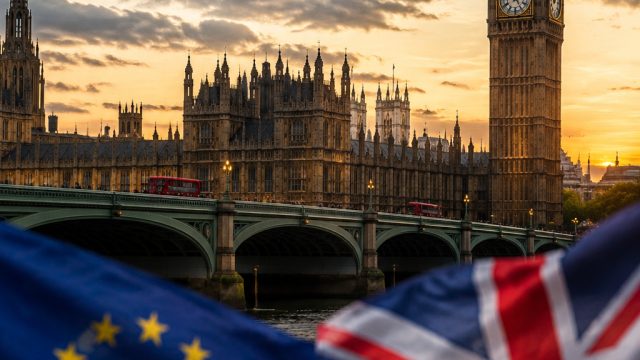
As we mark a decade since the United Kingdom voted to leave the European Union, the economic consequences of this landmark decision are becoming increasingly evident. Analysts have begun to dissect the long-term effects, revealing a mixed bag of challenges and opportunities that have shaped the UK’s economic landscape.
The Economic Growth Dilemma
One of the most striking outcomes of Brexit has been its impact on economic growth. Reports indicate a noticeable slowdown in GDP growth rates, with many economists attributing this trend to the uncertainties arising from the separation from the EU. The limitations on trade agreements and changes in migration policies have also played significant roles in reshaping the economy.
Trade Flows and Challenges
- Trade restrictions have increased operational costs for businesses.
- New tariffs and trade agreements have complicated relationships with EU partners.
- UK exports to Europe have seen a decline, impacting various sectors.
Migration Policies and Workforce Dynamics
- Changes in immigration laws have led to shortages in skilled labor.
- Sectors heavily reliant on migrant workers, such as agriculture and hospitality, are facing challenges.
- Employers are now required to navigate complex visa systems to hire talent from abroad.
Political Landscape and Economic Policy Adjustments
The political arena has also transformed significantly over the past ten years. Brexit has not only altered economic policies but has also influenced the overall governance model in the UK. Political stability has been tested, with various parties and leaders attempting to redefine the nation’s direction in this new post-Brexit reality.
Shifts in Policy Approach
- The government has had to adopt proactive measures to stimulate economic growth.
- Investment in technology and innovation has become a priority to offset economic challenges.
- New trade partnerships are being explored to diversify economic dependencies.
Public Sentiment and Economic Resilience
Public opinion remains divided regarding the benefits and drawbacks of Brexit. While many support the notion of national autonomy, others express concern over the economic ramifications. The resilience of the UK economy is being tested, and how the government responds will be crucial for the future.
The Way Forward: Opportunities Amidst Challenges
Despite the challenges, there are opportunities for growth that arise from this transition. The focus on innovation and new industries may pave the way for a more robust economy. Emerging sectors such as technology, green energy, and creative industries are expected to play significant roles in driving future growth.
Navigating the New Economic Terrain
- Investment in digital transformation and e-commerce can enhance competitiveness.
- Engaging in global markets beyond Europe can open new avenues for trade.
- Fostering a culture of entrepreneurship could stimulate job creation and economic dynamism.
Conclusion: A Period of Adjustment
The decade following Brexit has been a time of significant adjustment for the UK. Understanding the economic implications of this separation from the EU is essential for policymakers and business leaders alike. Moving forward, the focus must be on harnessing the potential of new industries and adapting to the ever-changing global economic landscape. The lessons learned over the past ten years will guide the UK as it seeks to redefine its economic future in a post-Brexit world.