
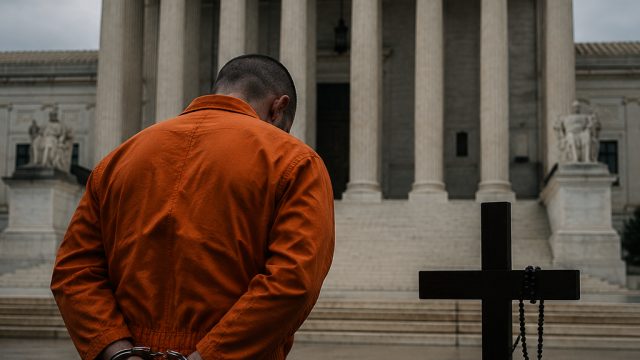
In a pivotal decision that resonates with broader implications for civil liberties, the Supreme Court has ruled that prison guards cannot be held liable under federal law for forcibly shaving the dreadlocks of a Rastafarian inmate in Louisiana. This ruling raises critical questions about the extent of religious rights within the prison system and how these rights are protected under the law.
Understanding the Case and Its Implications
The case involves a Louisiana prisoner whose religious beliefs, as a Rastafarian, were violated when guards cut off his dreadlocks. The Supreme Court's decision highlights significant limitations on the federal legal framework intended to safeguard the religious rights of inmates. This decision, while framed within a specific legal context, has far-reaching implications for how religious freedoms are interpreted and upheld in correctional facilities across the United States.
Background on Religious Rights in Prisons
Religious rights for prisoners have been a contentious issue, with various court cases attempting to define the balance between institutional security and personal freedoms. The ruling reflects a growing trend of judicial interpretations that may limit the protections afforded to individuals in correctional settings. This is particularly concerning for minority faiths whose practices may be easily misunderstood or disregarded.
Legal Precedent and Potential Consequences
- Setting a New Standard: The ruling may set a precedent that could discourage inmates from asserting their religious rights out of fear of retaliation or lack of legal recourse.
- Potential Legislation Changes: Lawmakers may now feel less pressure to create or enforce laws protecting minority religious practices in prisons.
- Increased Scrutiny: The ruling may also prompt increased scrutiny on how corrections facilities manage religious practices, potentially leading to more systemic violations.
Broader Impact on Communities and Society
The ramifications of this ruling extend beyond prison walls, impacting communities and society's perception of justice and equality. As the U.S. grapples with issues of systemic inequality, this decision could exacerbate the disenfranchisement of incarcerated individuals who are already vulnerable.
Public Reaction and Advocacy
Advocates for prisoners' rights and religious freedoms are alarmed by the Supreme Court's decision. Many argue that it undermines the fundamental principles of freedom of religion that are foundational to American democracy. Public response has sparked discussions across social media platforms, including SoundCloud, where various activists and commentators share their views on the intersection of justice and personal freedoms.
Next Steps for Incarcerated Individuals
For those incarcerated, navigating the complexities of legal rights in light of this ruling may seem daunting. However, it’s crucial for inmates and their advocates to understand their rights and seek legal support when necessary. Here are some steps that can be taken:
- Document any incidents involving religious rights violations.
- Reach out to legal aid organizations specializing in prisoners' rights.
- Engage in advocacy efforts to raise awareness of religious freedoms in prisons.
Conclusion: A Call to Action
The Supreme Court's recent ruling serves as a stark reminder of the ongoing challenges faced by incarcerated individuals in asserting their religious rights. As society progresses, it is essential to advocate for the protection of these rights, ensuring that all individuals, regardless of their circumstances, are afforded the freedom to practice their beliefs without fear of retaliation. The conversation surrounding this ruling is crucial as it reflects not only on the legal system but also on the values that underpin our society.
As we move forward, it is imperative for activists, legal experts, and the general public to engage in meaningful dialogue about religious rights within the prison system. Only through collective action can we hope to foster a more equitable and just legal landscape for all individuals.




