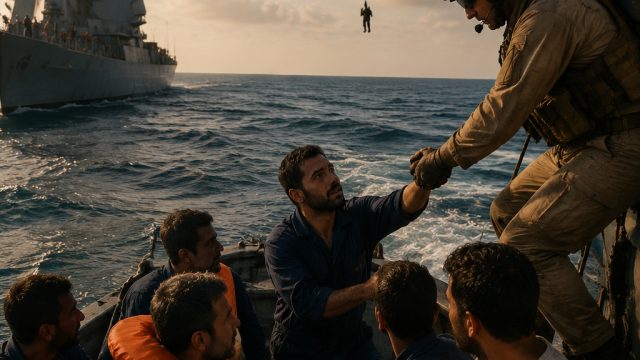
The ongoing geopolitical tensions in the Middle East have led to a critical situation in the Strait of Hormuz, where numerous sailors are currently stranded. The United Nations has stepped in, announcing a comprehensive evacuation plan aimed at ensuring the safety of these seafarers. This development comes at a time when maritime safety and international relations are more fragile than ever, making this news particularly urgent.
The Current Situation in the Strait of Hormuz
The Strait of Hormuz is a vital shipping channel, serving as a conduit for a significant portion of the world's oil supply. Recently, increased military activities and diplomatic strains between the United States and Iran have resulted in heightened risks for maritime navigation. The UN's intervention indicates a growing concern for the welfare of seafarers caught in the crossfire of this geopolitical strife.
Maritime Safety Risks
- Heightened military presence in the region.
- Increased risk of confrontations between military vessels.
- Seafarers facing uncertain conditions aboard stranded vessels.
UN's Evacuation Strategy
In response to the plight of the stranded sailors, the UN has formulated a strategic evacuation plan. This initiative is crucial not only for the immediate safety of those involved but also for the broader implications it has on international maritime law and humanitarian efforts in conflict zones.
Key Components of the Evacuation
- Coordination with local authorities and maritime organizations.
- Provision of necessary resources for safe transport.
- Establishment of communication channels for families of stranded personnel.
The International Response and Implications
The decision to evacuate stranded sailors has not only garnered attention from international organizations but also from various governments around the world. The U.S., in particular, has been vocal about its stance on maritime security in the region, with officials emphasizing the importance of safeguarding international shipping lanes.
Geopolitical Repercussions
As nations react to the UN's announcement, analysts are closely monitoring the potential fallout from this situation. The implications of the evacuation extend beyond immediate safety concerns and could affect diplomatic relations in the long term.
Why This Matters Now
As tensions in the Middle East escalate, the safety of maritime routes becomes increasingly critical. The current evacuation plan highlights the need for robust international cooperation in ensuring the safety of seafarers and maintaining open shipping lanes vital for global trade.
Future Considerations
Moving forward, the international community must remain vigilant and proactive in addressing maritime safety in volatile regions. Potential strategies may include:
- Enhanced diplomatic dialogues to reduce military tensions.
- Increased support for maritime safety initiatives.
- Collaboration with shipping companies to ensure the safety of their crews.
Conclusion
The UN's announcement regarding the evacuation of stranded sailors in the Strait of Hormuz is a critical development in an already complex geopolitical landscape. As countries rally to support this initiative, the emphasis on maritime safety and international cooperation is more relevant than ever. Stakeholders must prioritize the protection of those navigating these treacherous waters to ensure a stable and secure maritime environment for all.