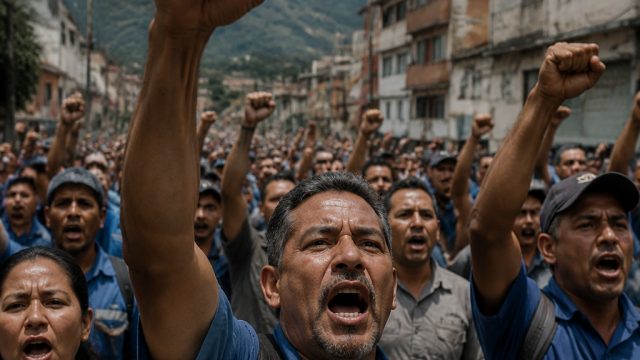
In a significant display of solidarity and frustration, thousands of retired workers from Venezuela's state-owned telecommunications company, CANTV, have taken to the streets in recent days. Their protests come in response to the abrupt suspension of a crucial monthly income supplement that many depend on for their livelihood. This movement is not just a call for financial restoration; it underscores the broader economic struggles faced by retirees in the country.
The Immediate Trigger
On June 20, 2026, CANTV terminated a monthly payment of US $200 that had been a lifeline for many former employees. This decision was made without any prior warning, shocking those who relied heavily on this income complement amidst rising inflation and economic instability in Venezuela. The suddenness of this change ignited immediate protests across the nation, particularly outside CANTV's headquarters in Caracas.
Protest Details and Public Reaction
- Protests have been widespread, with demonstrations reported in multiple Venezuelan cities.
- Retired workers gathered to voice their anger and demand the reinstatement of the payment.
- Many participants voiced concerns over the deteriorating economic conditions in Venezuela.
Participants in the protests have not only sought to restore their income but have also raised awareness about the consequences of governmental policies on the lives of retirees. As one demonstrator put it, "We worked hard for years, and now we are left to fend for ourselves without adequate support. This is unacceptable!" Such sentiments resonate deeply with many in a nation where many citizens are struggling to meet basic needs.
Broader Economic Context
The protests of retired telecom workers highlight a larger issue within Venezuela's economy, which has been grappling with hyperinflation, currency devaluation, and decreasing purchasing power for several years. The government’s ability to provide basic services and support for its citizens has come under scrutiny, particularly concerning pensions and supplementary benefits.
Impact on Retirees
For many retirees, the loss of the US $200 payment represents more than just a financial blow; it signifies a breakdown in the social contract between the government and its citizens. Many retirees express that they are now forced to make difficult choices, such as cutting back on essential expenses like food and medicine.
Possible Consequences of the Protests
The ongoing demonstrations may have significant implications for both the government and the retired workers. Here are a few potential outcomes:
- Increased Government Accountability: The protests put pressure on the government to respond to the protesters' demands, potentially leading to a restoration of payments.
- Public Awareness: Raising awareness of retirees' struggles could foster greater public support and lead to long-term changes in pension policies.
- Social Unity: These protests might galvanize other sectors of society facing similar economic difficulties, creating a broader movement for change.
The Way Forward
As the situation evolves, it remains to be seen how the government will respond to the protests. Retired CANTV workers have made it clear that they will not back down until their rights are recognized and their income is restored. The potential for solidarity among other labor groups may further amplify their cause.
What Can Be Done?
Support for retirees and their plight can come from various quarters, including:
- Community Support: Local organizations can rally to provide assistance to those most affected by financial cuts.
- Awareness Campaigns: Raising awareness on social media and through community outreach can amplify their voices.
- Political Engagement: Encouraging political dialogue and engaging with representatives can push for vital legislative changes.
Conclusion
The protests led by retired telecom workers in Venezuela represent a critical moment in the ongoing struggle for economic justice and fair treatment for retirees. Their demands for the restoration of income supplements not only highlight individual hardships but also serve as a rallying point for broader discussions about economic reform in the nation. As the situation develops, it is imperative for observers and advocates alike to pay attention to the voices of these workers and support their fight for dignity and fairness.