
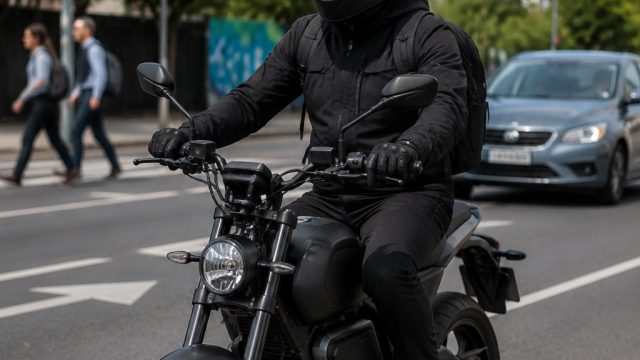
As cities across the globe embrace more sustainable forms of transportation, two electric vehicle categories have emerged at the forefront: e-bikes and e-motos. With the popularity of these machines on the rise, it is essential to clarify the distinctions between them and why these differences necessitate specific regulations, especially for e-motos. This article dives into these crucial distinctions and explores why the conversation around regulatory frameworks is more pertinent now than ever.
The Explosive Growth of E-Bikes and E-Motos
Over the past few years, e-bikes have gained immense popularity due to their convenience, eco-friendliness, and affordability. Many commuters are now turning to these two-wheeled electric rides as an effective solution to urban congestion. Meanwhile, e-motos are also carving out their niche, appealing to those who desire a faster, more powerful riding experience.
Defining E-Bikes and E-Motos
Understanding the differences between e-bikes and e-motos is crucial:
- E-Bikes: These typically have a maximum speed of 28 mph and are equipped with pedals, allowing them to be classified as bicycles under most local laws.
- E-Motos: Operating at higher speeds, often exceeding 28 mph, e-motos resemble motorcycles and may lack pedals, placing them under stricter vehicle regulations.
The Case for E-Moto Regulations
While both e-bikes and e-motos contribute to reducing carbon footprints, the need for regulation becomes apparent when considering the potential risks associated with e-motos. Due to their speed and design, e-motos can pose greater safety risks on public roads.
Safety Concerns
The increased speed of e-motos makes them significantly different from e-bikes when it comes to safety. Here are some key safety concerns:
- Higher Speed: E-motos can reach speeds that are dangerous without proper safety measures in place.
- Less Stability: The design of e-motos can be less stable compared to e-bikes, especially for inexperienced riders.
- Potential for Accidents: With increased speeds, the likelihood of serious accidents rises, necessitating regulations for safety features.
Regulatory Frameworks for E-Motos
To effectively manage the risks associated with e-motos, a robust regulatory framework is essential. This framework should address the following areas:
- Licensing: Mandatory licensing for e-moto riders to ensure they are equipped with the necessary skills.
- Insurance Requirements: Implementing insurance standards to protect riders and other road users in case of accidents.
- Safety Gear Regulations: Requiring safety gear such as helmets and reflective clothing, particularly for higher-speed models.
Public Opinion: Balancing Freedom and Safety
As discussions around e-moto regulations continue, public opinion remains divided. On one hand, many riders appreciate the freedom that comes with using e-motos. On the other hand, there are valid concerns regarding road safety and the potential for accidents.
Community Engagement
Engaging with the community is paramount in this discussion. Here are some strategies to promote dialogue:
- Public Forums: Hosting forums to allow community members to voice concerns and suggestions.
- Surveys and Polls: Conducting surveys to gauge public opinion on proposed regulations.
- Workshops: Organizing workshops focused on safe riding practices for e-moto users.
Moving Forward: A Call to Action
As we navigate the evolving landscape of electric transport, it is crucial to take proactive steps towards creating a safe environment for all road users. The distinction between e-bikes and e-motos is more than just semantic; it is a matter of public safety and responsible riding. Now is the time for policymakers, community leaders, and riders to come together to establish clear regulations that uphold safety while promoting innovation in transportation.
As we witness the integration of more electric vehicles into our cities, the dialogue surrounding e-moto regulations must not fall by the wayside. It is our collective responsibility to ensure that while we embrace sustainable transportation, we also prioritize the safety and well-being of all road users.
In conclusion, while e-bikes may not require strict regulations, e-motos certainly do. Engaging in discussions and taking action now will shape a safer future for urban transport.




