
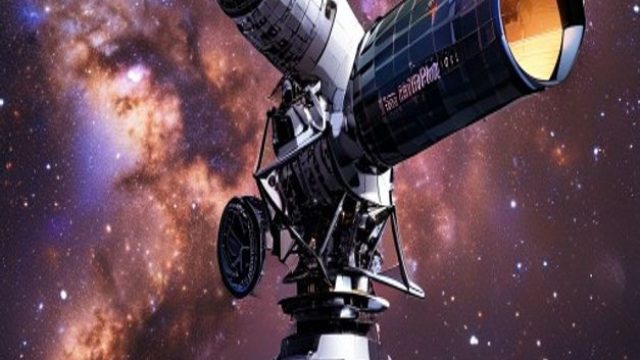
This week marks a pivotal moment in space research as NASA prepares to launch a groundbreaking mission aimed at enhancing the operational life of the Neil Gehrels Swift Observatory. This mission is not merely routine; it represents a significant leap in our capacity to maintain and prolong the functionality of critical astronomical instruments that have shaped our understanding of the universe.
Understanding the Swift Observatory's Importance
Since its launch nearly 22 years ago, the Swift Observatory has played an instrumental role in astronomy. It has conducted vital research on gamma-ray bursts, supernovae, and even helped unveil the mysteries of dark energy. With its ability to rapidly observe and analyze cosmic events, the Swift Observatory has contributed immensely to modern astrophysics. However, recent assessments in 2024 indicated that the telescope was descending from its orbit at an alarming rate.
Current Challenges Facing the Swift Observatory
- Orbital Decay: The Swift Observatory is experiencing faster orbital decay than anticipated, necessitating immediate intervention.
- Technological Obsolescence: As technology rapidly evolves, older instruments require updates to remain relevant in current research.
- Scientific Contributions: The potential loss of such a valuable tool in astronomical research would hinder ongoing studies.
The LINK Mission: A Game Changer for Space Telescopes
The upcoming launch features a robotic spacecraft called LINK, designed specifically to give the Swift Observatory the boost it needs to stabilize its orbit. This mission is a pioneering effort, being the first of its kind to utilize robotic technology for satellite maintenance in orbit.
How LINK Works
LINK will employ advanced propulsion techniques to elevate the Swift Observatory's position, ensuring its continued functionality. Here’s what sets the LINK mission apart:
- Autonomous Operations: LINK is equipped with cutting-edge AI, allowing it to navigate and perform necessary adjustments without direct human oversight.
- Cost-Effective Approach: Utilizing a robotic solution reduces the need for more extensive missions that could incur high costs and resource allocation.
- Broader Applications: Success with LINK could pave the way for similar missions targeting other satellites at risk of orbital decay.
Why This Mission Matters Now
The implications of successfully reviving the Swift Observatory extend far beyond the satellite itself. In an era where space exploration is becoming increasingly competitive and collaborative, maintaining operational satellites is crucial for ongoing research. Here’s why this mission is critical:
1. Continuity in Scientific Research
For over two decades, the Swift Observatory has provided invaluable data to scientists worldwide. Its potential loss would represent a significant gap in data continuity, limiting research on key cosmic phenomena.
2. Inspiration for Future Missions
LINK's innovative approach serves as a beacon for future space missions. By demonstrating that we can enhance and prolong the life of existing satellites, NASA is setting a precedent for sustainable space exploration.
3. Addressing the Space Junk Problem
As the number of satellites in orbit continues to rise, so does the risk of space debris. Reviving existing satellites can mitigate the need for launching new ones, thus minimizing further contributions to space junk.
Looking Ahead: The Future of Space Observatories
The LINK mission symbolizes a hopeful future for satellites like the Swift Observatory. As we advance in technology and our understanding of space, initiatives that can preserve our existing assets will become increasingly important.
Implications for Space Exploration
The successes of the LINK mission could have a ripple effect across numerous fields:
- Enhancing Global Collaboration: Projects like LINK promote partnerships between international space agencies, sharing technology and resources.
- Advancing Research Techniques: Innovations developed for LINK may lead to improved capabilities in satellite technology.
- Education and Engagement: Captivating public interest in space missions fosters a new generation of scientists and engineers.
Conclusion
As NASA gears up for the launch of LINK, the future of the Neil Gehrels Swift Observatory remains bright. This mission not only aims to extend the life of a crucial scientific instrument but also embodies the innovative spirit that defines modern space exploration. With the potential to transform how we think about satellite maintenance, LINK serves as a testament to human ingenuity and our relentless pursuit of knowledge in the cosmos.




