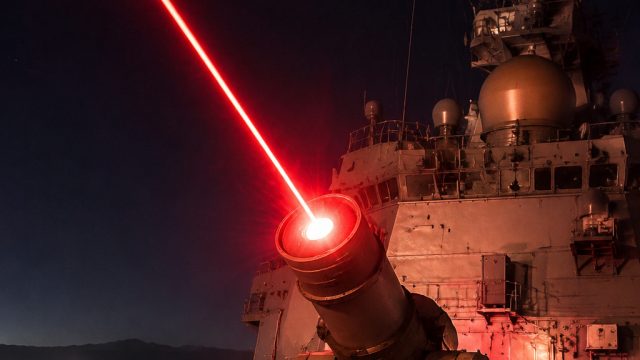
In an era where defense strategies are rapidly evolving, the Pentagon recently held a demonstration showcasing its advanced laser weapons. This event, attended by key military figures including Defense Secretary Pete Hegseth, aimed to highlight the potential of high-energy lasers and high-power microwave weapons in modern combat scenarios.
The Rise of Laser Technology in Defense
As global security concerns escalate, the military's approach to warfare is becoming increasingly sophisticated. The Pentagon's demonstration emphasized the importance of integrating new technologies to enhance battlefield effectiveness. Laser weapons are seen as pivotal in providing precise, cost-effective solutions to contemporary military challenges.
Enhanced Precision and Efficiency
- Targeted Strikes: Laser systems allow for highly precise targeting, minimizing collateral damage.
- Cost-Effective Operations: Unlike traditional munitions, lasers can theoretically fire indefinitely at a fraction of the cost.
- Rapid Response: High-energy lasers can be deployed quickly, offering immediate support in dynamic combat environments.
Why Laser Weapons Matter Now
The recent demonstration comes at a critical time as nations worldwide reevaluate their defense postures. With rising tensions in various regions, the need for innovative and effective military solutions has never been more pressing. Laser technology presents a strategic advantage in modern warfare, where speed and accuracy can determine the outcome of engagements.
Global Military Trends
As the landscape of warfare changes, countries are investing heavily in advanced technologies. Here are some key trends:
- Increased Investment: Nations are pouring resources into R&D for advanced defense technologies, including lasers.
- Collaborations: Countries are forming alliances to share technology and intelligence, enhancing their overall capabilities.
- Technological Arms Race: The pursuit of cutting-edge weapons systems is driving an arms race among global powers, particularly in laser technology.
The Future of Warfare: Integrating Laser Systems
Integrating laser weaponry into military operations represents a transformative shift in how armed forces engage threats. During the Pentagon demonstration, officials explored various applications of laser systems, reinforcing their potential in both offensive and defensive roles.
Defensive Applications
One of the notable applications of laser technology is in defense against aerial threats, such as drones and missiles. By utilizing high-energy lasers, military forces can effectively neutralize airborne dangers with precision and speed.
Offensive Capabilities
Laser systems also hold promise for offensive operations, enabling targeted strikes against enemy positions without the logistical burden of traditional munitions. This capability can not only reduce operational costs but also enhance mission effectiveness.
Conclusion: A New Era in Military Technology
The Pentagon's demonstration of laser weaponry marks a significant step towards modernizing military capabilities. As geopolitical tensions continue to rise, the integration of advanced technologies like high-energy lasers will play a crucial role in national defense strategies. Keeping abreast of these developments is essential for understanding the future of warfare and the ongoing evolution of military technology.
As we move forward, the implications of these advancements will be felt not only on the battlefield but also in broader security discussions worldwide. The Pentagon's commitment to innovation underscores the importance of maintaining a strategic edge in an increasingly complex global environment.