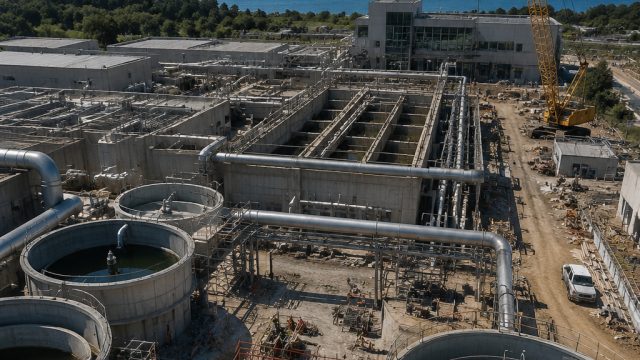
In a critical move to enhance water management in California, the Jacobs-McCarthy joint venture has recently initiated a substantial project valued at $185 million. This new facility aims to significantly impact the state’s water supply and quality, addressing ongoing challenges that have become increasingly pressing amidst fluctuating climate patterns and rising demand.
Understanding the Project Scope
The California water project represents a pivotal investment in the state’s infrastructure. Set to be completed by October 2028, the facility will focus on developing advanced water treatment solutions, which include cutting-edge desalination technologies. This investment not only strengthens California's water reliability but also showcases innovative approaches to water scarcity.
Key Features of the New Facility
- Desalination Technology: One of the core components of this project will utilize state-of-the-art desalination techniques to convert seawater into potable water, ensuring a sustainable supply.
- Environmental Sustainability: The project emphasizes eco-friendly practices, minimizing environmental impact during construction and operation.
- Community Engagement: Jacobs-McCarthy has committed to involving local communities in the planning and development stages, ensuring that public interests are prioritized.
The Importance of Water Management in California
California, known for its diverse agriculture and large urban centers, faces ongoing challenges related to water supply. Over the years, droughts have stressed water resources, making effective management essential. The introduction of this facility is timely, given the state’s need for efficient water use and conservation practices.
Current Challenges in Water Supply
As climate change continues to influence weather patterns, California’s ability to maintain a consistent water supply has been jeopardized. Key issues include:
- Prolonged Drought: Extended periods without adequate rainfall have strained reservoirs and aquifers.
- Population Growth: Increasing demand from a growing population exacerbates water shortages.
- Agricultural Dependency: Water-intensive crops further complicate resource allocation.
Future Prospects and Community Impact
The Jacobs-McCarthy project not only addresses immediate water needs but also sets a precedent for future investment in infrastructure. By prioritizing innovative water solutions, this facility could lead the way in sustainable development across the state. Stakeholders anticipate that this project will pave the path for more partnerships aimed at enhancing California’s water management systems.
Potential Long-Term Benefits
As the facility progresses, several potential long-term benefits can be expected, including:
- Reliable Water Supply: Enhanced water availability will support both urban and agricultural needs.
- Job Creation: The construction and operation of the facility will provide jobs and boost the local economy.
- Technological Advancements: The project may inspire further innovations in water management and environmental sustainability.
Conclusion: A Momentous Step for California's Water Future
The launch of the Jacobs-McCarthy water project marks a significant step toward addressing California's ongoing water crisis. With a completion target of 2028, this initiative not only underscores the urgency of improving water management but also highlights the commitment to sustainable practices. Stakeholders from both the public and private sectors will need to collaborate to ensure the success of this project and, ultimately, the resilience of California's water supply for generations to come.