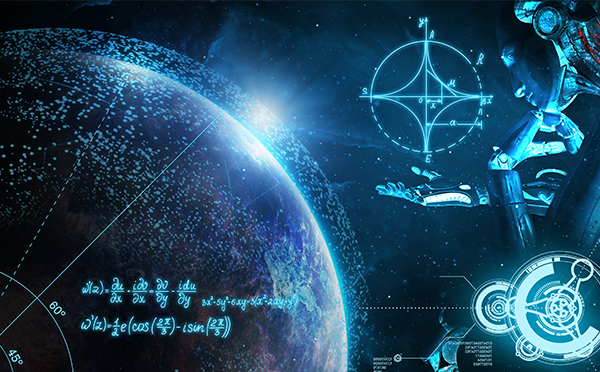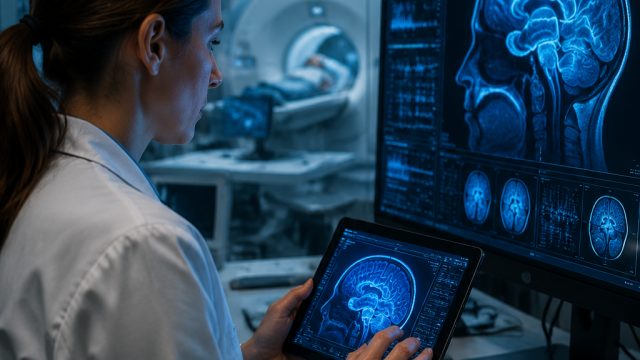
In a world where science fiction continually pushes the boundaries of imagination, authors are under pressure to create believable and compelling alien characters. The intersection of neuroscience and narrative crafting offers a unique toolkit for writers looking to explore nonhuman experiences. This exploration is particularly relevant now, as audiences crave deeper, more thought-provoking content that transcends traditional storytelling tropes.
Understanding the Biological Foundations of Alien Minds
Neuroscience provides valuable insights into how different sensory systems and emotional responses shape our perceptions and behaviors. By examining these biological underpinnings, writers can construct alien characters with distinct cognitive processes and emotional landscapes that resonate with readers.
Key Sensory Differences
- Visual Processing: Consider how an alien might perceive light or color differently. For instance, creatures on a planet with dense atmosphere may see infrared or ultraviolet hues.
- Auditory Perception: An alien mind might interpret sound waves in frequencies beyond human capabilities, influencing communication and emotional expression.
- Olfactory Awareness: Imagine beings that rely heavily on scent for social interaction, making their emotional exchanges rich and nuanced.
Crafting Believable Nonhuman Experiences
Creating characters that feel authentic requires a deep understanding of how emotions influence behavior. Neuroscience indicates that emotions stem from complex physiological responses to stimuli, which can vary widely across species. Writers can use this knowledge to develop alien cultures that react to their environment in fascinating ways.
Emotional Responses in Alien Contexts
Here are some strategies to effectively translate emotional experiences into alien narratives:
- Incorporate Unique Cultural Norms: Different species may have diverse ways of expressing love, anger, or fear. Understanding these norms can enhance character development.
- Utilize Unfamiliar Emotional Triggers: Consider what might provoke fear or joy in an alien species. This can add depth to your storytelling and create unexpected plot twists.
- Explore Cross-Species Interactions: How do humans and aliens communicate emotionally? The complexities of these interactions can be a rich vein for narrative tension.
Contemporary Application of Neuroscience in Science Fiction
The relevance of neuroscience in storytelling is becoming increasingly recognized, especially in the realm of science fiction. As readers engage with narratives that reflect scientific principles, they gain insights into their emotional lives and the broader universe. Some modern works effectively illustrate this integration of science and storytelling:
- Ex Machina: This film explores artificial intelligence's emotional spectrum, prompting questions about consciousness and empathy.
- The Three-Body Problem: This series delves into alien civilization and its psychological implications, enriching its narrative through scientific concepts.
- Arrival: The movie tackles language and perception, showcasing how communication shapes understanding across species.
The Future of Storytelling: Blending Neuroscience with Fiction
Looking ahead, as writers deepen their understanding of neuroscience, storytelling will continue to evolve, leading to more innovative and impactful narratives. This trend not only engages readers but also reflects a sophisticated approach to character development and world-building.
Why It Matters Now
In an age where content saturation is prevalent, stories that offer depth and authenticity are more crucial than ever. Leveraging neuroscience to craft alien minds invites readers to explore new perspectives, pushing them to consider the broader implications of consciousness, emotion, and identity. As audiences seek immersive experiences, authors who embrace this approach will find themselves at the forefront of contemporary literature.
In conclusion, the fusion of neuroscience and storytelling offers a dynamic framework for authors to create compelling alien characters that resonate with readers. By understanding the biological and emotional foundations that shape nonhuman experiences, writers can forge narratives that not only entertain but also challenge our perceptions of reality. Now is the time to explore these possibilities, as the landscape of storytelling continues to expand.