
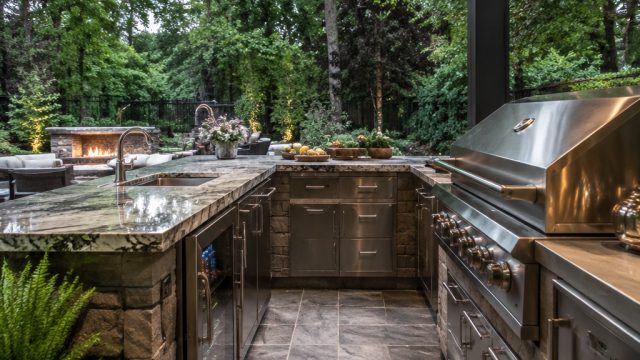
Creating an outdoor kitchen that seamlessly blends functionality and aesthetics is a hot topic among homeowners and culinary enthusiasts. As people increasingly seek to maximize their outdoor spaces, insights from chefs and design experts can provide invaluable direction. This trend is not just a passing phase; it’s a reflection of our evolving lifestyle where cooking, entertaining, and enjoying nature go hand in hand.
Understanding the Needs of Outdoor Cooking
Designing an outdoor kitchen requires thoughtful consideration of several factors. As culinary experts emphasize, the layout should reflect how you cook and entertain. Flexibility is crucial; the kitchen should adapt to different cooking styles and social gatherings.
Prioritize Functionality
- Choose versatile appliances that can handle various cooking methods, such as grills, smokers, and pizza ovens.
- Incorporate ample counter space for food preparation, plating, and serving.
- Ensure easy access to storage for utensils, cookware, and ingredients.
According to chef Jess Damuck, who has shared her experiences in designing outdoor cooking areas, having a well-planned layout can significantly enhance the cooking experience. This includes ensuring that necessary items are within reach, which streamlines the cooking process and reduces frustration.
Material Choices: The Key to Durability
When crafting an outdoor kitchen, the choice of materials is paramount. Designers recommend using materials that can withstand the elements while maintaining aesthetic appeal. Natural materials not only enhance the beauty of the space but also ensure longevity.
Top Material Recommendations
- Stone: Offers durability and a timeless look, perfect for countertops and features.
- Stainless Steel: Ideal for appliances and fixtures due to its resistance to rust and corrosion.
- Wood: Can be used for cabinetry, but should be treated to withstand moisture and pests.
Chef Damuck, along with designer Ben Sinclair, emphasizes the importance of selecting materials that reflect personal style while being practical. They advocate for a blend of textures to create a visually appealing environment.
Creating Inviting Spaces for Gatherings
An outdoor kitchen is not just about cooking; it's also about creating an inviting space for gatherings. The design should encourage social interaction, whether for family dinners or entertaining friends.
Incorporating Social Elements
- Consider adding a bar seating area for guests to enjoy drinks while the chef works.
- Integrate comfortable seating arrangements around the cooking area for casual conversations.
- Ensure adequate lighting for evening gatherings, enhancing the ambiance.
As the trend for outdoor cooking continues to grow, experts suggest that integrating these social elements is essential. A well-thought-out space can transform any gathering into a memorable experience.
Final Thoughts: Your Outdoor Cooking Vision
In conclusion, designing the perfect outdoor kitchen requires a careful balance of functionality, durability, and aesthetic appeal. Insights from culinary professionals like Jess Damuck can help you navigate the complexities of outdoor cooking spaces. By prioritizing flexible layouts, selecting appropriate materials, and creating inviting environments, you can craft a space that not only meets your cooking needs but also enhances your lifestyle.
As you embark on this exciting project, remember that the key to a successful outdoor kitchen lies in reflecting your personal style and cooking preferences. Embrace the process, and you'll be rewarded with a space that brings joy and culinary delight for years to come.




