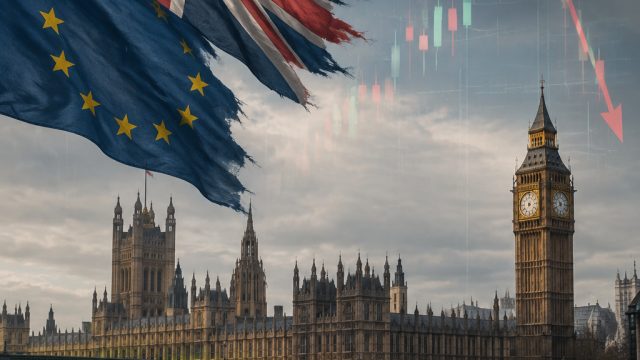
As the United Kingdom marks a decade since the historic Brexit referendum, the economic landscape bears the marks of significant change and ongoing challenges. The decision to leave the European Union has had profound impacts, reshaping trade relations, economic growth trajectories, and political dynamics. In this article, we delve into how Brexit has influenced the UK economy, examining both the scars left behind and the lessons learned as the country navigates its future.
The Economic Impact of Brexit: A Decade of Transformation
The repercussions of Brexit can be felt across various sectors of the UK economy. Analysts have noted that the vote to leave the EU has resulted in a notable decrease in economic growth. From trade barriers to shifts in labor dynamics, the UK has faced multifaceted challenges.
Trade and Investment Shifts
- Exports to EU countries have seen fluctuations, with many businesses reporting increased costs and complexities in cross-border trading.
- Foreign direct investment has also been affected, with some companies reassessing their operations in the UK due to regulatory uncertainties.
As a result, the UK economy has had to adapt to a new reality, relying increasingly on non-EU markets for trade and investment opportunities.
Public Sentiment and Political Reactions
A decade on, public perception of Brexit has shifted. Recent polls indicate that a significant portion of the population now views leaving the EU as a mistake. This change in sentiment could influence future political decisions and policy-making.
Trust in Leadership
- Political leaders are under pressure to deliver tangible results in the wake of Brexit, as disenchantment grows among voters.
- There is a growing call for transparency and accountability in navigating the post-Brexit landscape.
With the next election cycle approaching, how the political landscape shapes itself in response to public sentiment will be crucial for the UK's future direction.
Ongoing Challenges and Future Prospects
The challenges stemming from Brexit are not merely historical; they continue to evolve. Key areas to watch include:
- Supply Chain Disruptions: Many industries are still grappling with supply chain issues as a result of new trade regulations.
- Labor Shortages: Sectors such as hospitality and agriculture face staffing challenges, prompting discussions around immigration policies.
- Economic Growth Rates: Analysts warn that the UK's growth rates have lagged behind those of other countries, raising concerns about long-term economic health.
Despite these hurdles, there are glimmers of hope. Increased innovation and investment in technology sectors suggest that while Brexit has reshaped the economy, it may also pave the way for new opportunities.
Conclusion: Looking Ahead
As the UK reflects on the past ten years since the Brexit vote, it is evident that the journey has been fraught with challenges and transformations. The scars of departure from the EU are still fresh, yet they also serve as a foundation for potential growth and resilience. Moving forward, it will be essential for the UK to learn from its experiences, engage constructively with its international partners, and strive for a cohesive strategy that addresses both economic and social concerns. The next chapter of the UK’s economic story is yet to be written, and navigating it effectively will determine the country's future prosperity.