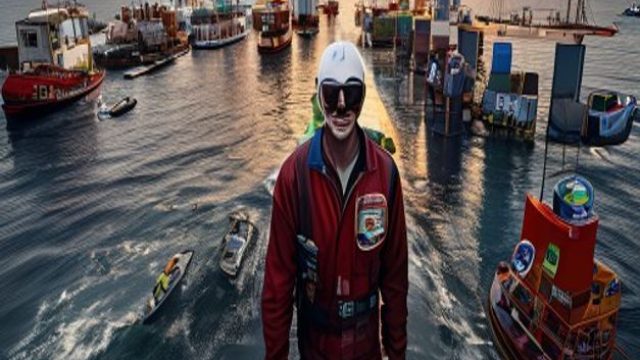
As the geopolitical tensions in the region intensify, an urgent evacuation plan has been set into motion for approximately 11,000 seafarers currently stranded in the tumultuous waters of the Strait of Hormuz. This development marks a pivotal moment in maritime safety, emphasizing the need for immediate action to protect those affected.
The Context: Why This Matters Now
The Strait of Hormuz is a critical maritime corridor, serving as a passage for a significant portion of the world’s oil supply. In recent months, escalating tensions have created a precarious situation for seafarers, who have faced increasing risks while navigating these waters. The United Nations has stepped in, highlighting the urgency of the situation and the necessity of an organized evacuation.
Understanding the Evacuation Plan
The United Nations agency overseeing this operation has outlined a comprehensive evacuation strategy aimed at ensuring the safety of the stranded seafarers. This plan is not merely a logistical challenge; it involves international cooperation, diplomatic negotiations, and the mobilization of resources that underscore the importance of maritime safety.
- Coordination with Multiple Nations: The evacuation involves collaboration with various countries to secure safe passage for the seafarers.
- Logistical Support: Ships and transportation resources are being organized to facilitate the movement of individuals from the region.
- Security Measures: Stringent security protocols are being put in place to ensure the safety of those involved in the evacuation.
The Implications for Maritime Safety
This evacuation plan has broader implications for maritime safety on an international scale. With the increasing number of incidents involving commercial shipping in conflict zones, this situation has brought to light the critical need for effective safety measures and international protocols. It raises questions about the responsibilities of nations to protect seafarers and maintain open maritime routes.
Potential Challenges Ahead
Despite the well-structured plan, several challenges could impede the successful evacuation of these seafarers:
- Geopolitical Risks: The region is fraught with potential conflicts that could disrupt evacuation efforts.
- Resource Limitations: There could be constraints in terms of available ships and safety equipment for the operation.
- Communication Barriers: Ensuring clear communication with all stakeholders is essential for the coordinated effort.
Conclusion: A Call for Global Solidarity
The evacuation of 11,000 seafarers stranded in the Strait of Hormuz represents a critical moment for maritime operations and international relations. It highlights the importance of global solidarity in times of crisis and the need for prompt action to safeguard human lives. As this plan unfolds, the world watches closely, waiting to see how nations will respond to ensure the safe return of those risking their lives at sea. Tarsico.com will continue to provide timely updates on this evolving situation, emphasizing the ongoing need for vigilance and cooperation in maritime safety.