
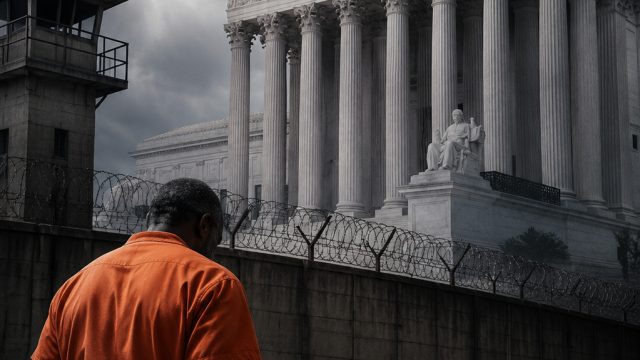
Supreme Court Decision Casts Shadow Over Religious Rights in Prisons
The recent ruling by the Supreme Court has ignited debates on the balance between institutional regulations and individual religious freedoms. This landmark case involved a Rastafarian inmate who challenged the actions of Louisiana prison officials after they forcibly cut his dreadlocks, a significant aspect of his religious identity. The court's decision reflects ongoing tensions surrounding the rights of inmates and how they intersect with institutional policies.
Understanding the Context of the Case
Rastafarian beliefs hold that dreadlocks are a symbol of spiritual commitment, reflecting the faith's cultural heritage. The inmate, whose identity has been largely obscured in media reports, argued that the cutting of his hair was not just a violation of personal rights but an infringement on his religious expression. This case raised critical questions about how far the state can go in regulating practices that are deeply rooted in an individual's faith.
The Supreme Court's Ruling Explained
In a narrow decision, the Supreme Court ruled that the inmate could not pursue his claim against the prison officials. The majority opinion underscored the necessity of maintaining order and security within correctional facilities, arguing that the state's interest in these matters often supersedes individual rights. This ruling has sparked vigorous discussions about the extent of religious rights afforded to inmates and the precedent it sets for future cases.
The Broader Implications for Religious Freedom
This ruling may serve as a critical reference for future legal cases involving religious rights within correctional facilities. Legal experts caution that this decision could embolden prison officials to implement more stringent measures regarding inmate expressions of faith. It also raises concerns about the potential erosion of protections that have been established for various religious groups.
Possible Consequences for Inmates
- Increased Restrictions: Inmates may face heightened scrutiny over religious practices that deviate from institutional norms.
- Chilling Effect: Fear of retribution could deter inmates from practicing their faith openly.
- Legal Precedents: This case might influence future rulings where similar issues arise.
- Public Perception: The public may become more divided on how religious freedoms are treated in prisons.
Voices from the Community
Advocacy groups for prisoners' rights have voiced strong criticism of the ruling, arguing that it sets a dangerous precedent for religious expression behind bars. One advocacy leader stated, "This ruling diminishes the hard-fought rights of individuals to express their faith. We must ensure these rights are protected, even within the confines of a prison." The impact on Rastafarian communities is particularly resonant, as many view dreadlocks as a sacred tradition.
Responses from Legal Experts
Legal analysts have highlighted that while this ruling may seem narrowly focused, its implications extend far beyond the specifics of this case. David Reynolds, a constitutional law expert, commented, "The ruling could potentially reshape the landscape of religious rights for inmates, which is already complex and varied across different jurisdictions. The Supreme Court’s stance suggests a diminishing view of these rights within correctional systems, which is concerning for advocates of civil liberties."
Conclusion: Navigating the Future of Religious Rights in Prisons
The Supreme Court's ruling on this critical matter underscores a growing divide between institutional authority and individual religious rights. As discussions and debates continue, it is essential for lawmakers, advocates, and society as a whole to reflect on the balance between maintaining order and upholding the fundamental freedoms guaranteed to all, including those incarcerated. The future of religious rights in prisons will likely require vigilant advocacy to ensure that the dignity and beliefs of every individual are respected, even within correctional confines.




