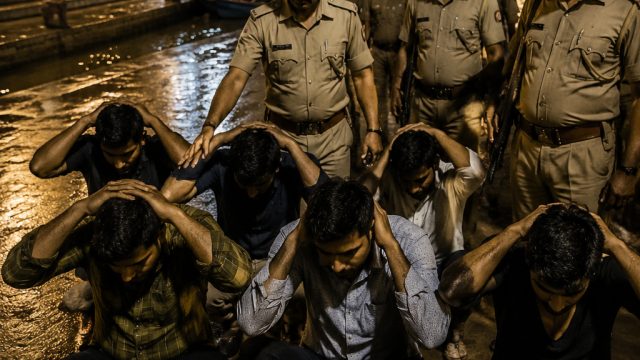
In a surprising turn of events, the Uttar Pradesh Police took swift action against five individuals allegedly hosting a chicken and beer party on the banks of the Ganga river. This incident has sparked discussions about the legality of gatherings in public spaces and the increasing scrutiny of activities shared on social media.
The Incident Unfolds
On June 23, a video surfaced on social media depicting eight men aboard a boat at the Dashashwamedh Ghat, engaging in activities that many deemed inappropriate for such a revered location. The footage showed them cooking chicken and consuming alcohol, which raised eyebrows and prompted public outcry. Following this, local law enforcement stepped in, leading to the arrest of five participants.
Community Reactions
This incident has ignited a fiery debate among local residents and social media users. Many expressed outrage over the perceived disrespect for a sacred site, while others pointed to the necessity of allowing people to enjoy their leisure time responsibly.
- Supporters of law enforcement argue that such actions preserve the sanctity of the Ganga.
- Critics claim this incident reflects an overreach of authority in regulating public enjoyment.
- Others emphasize the role of social media in bringing attention to potentially illegal gatherings.
Legal Implications of Public Gatherings
The legal framework surrounding public gatherings in India can be complex. While citizens have the right to assemble, there are stipulations concerning the location and nature of such gatherings, especially in areas of religious significance. This incident raises critical questions about what constitutes acceptable behavior in public spaces.
What Does the Law Say?
Under Indian law, public gatherings can be regulated under certain circumstances. Specifically, gatherings that could disrupt public order or offend religious sentiments may be subject to police intervention. In this case, the police acted based on the potential for disturbance caused by the party and the disrespect shown towards a culturally significant site.
The Role of Social Media in Law Enforcement
The rapid spread of information via social media is reshaping how law enforcement agencies respond to incidents. In this case, the video that circulated online played a crucial role in prompting police action. This reflects a growing trend where social media not only serves as a platform for sharing moments but also as a tool for accountability and governance.
Consequences of Digital Sharing
While social media can aid in transparency, it also invites scrutiny and accountability. Videos and photos shared online can lead to immediate repercussions for individuals engaging in questionable behavior. This incident serves as a cautionary tale for those considering similar actions in public spaces.
- Social media can influence public perception and mobilize immediate action.
- Individuals may face real-world consequences for their online actions.
- This situation exemplifies the dual-edged nature of digital sharing in today's society.
Conclusion: A Call for Responsible Enjoyment
The arrest of five individuals for their actions at the Ganga ghats highlights the balancing act between personal freedom and public decorum. As society evolves, so too must our understanding of how to enjoy leisure activities in a respectful manner that honors cultural significance. This incident serves as a wake-up call for all to reflect on the importance of public spaces and the responsibilities that come with them.
As we navigate these complex issues, it is essential for communities to engage in open dialogue about the acceptable behaviors in shared spaces. The Ganga is not just a river; it is a symbol of culture and faith, deserving of respect and consideration by all who gather around it.