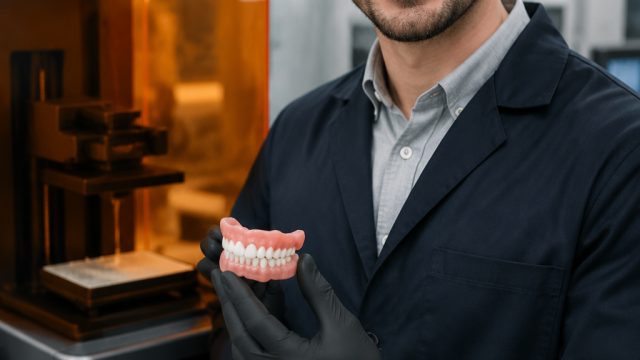
In an era where technology continuously shapes our lives, one young engineer is using his skills to make a significant impact on the lives of those who need it the most. Connor Gibson, at just 22 years old, is pioneering a movement by 3D printing dentures for America’s most vulnerable populations. This innovative approach not only addresses a pressing health concern but also restores dignity and confidence to countless individuals.
The Need for Affordable Dental Solutions
Access to affordable dental care remains a persistent issue in the United States, where millions live without proper oral health treatment. Traditional methods of creating dentures can be prohibitively expensive, leaving those from low-income backgrounds unable to replace missing teeth or restore their smiles. This gap in dental healthcare is where Gibson steps in, bringing a fresh perspective to a long-standing problem.
Understanding 3D Printing in Dentistry
3D printing technology has made substantial advances in various fields, and dentistry is no exception. Using advanced software and specialized printers, dental professionals can create precise replicas of patient’s mouths, allowing for custom-fit dentures that are not only affordable but also quick to produce. This method significantly reduces the waiting time typically associated with traditional dental procedures.
The Journey of Connor Gibson
Gibson’s journey began in college, where he was introduced to the concept of 3D printing. Driven by a desire to help others and inspired by stories of individuals struggling with dental issues, he dedicated his engineering studies to explore how technology could address these challenges. After completing several projects and gaining experience, he launched his initiative to produce 3D printed dentures for those in need.
Transformative Impact on Lives
Connor’s work has already begun to make waves in communities across the country. By offering these affordable dental prosthetics, he is not just restoring smiles; he is also restoring self-esteem and social engagement. Many individuals who have lived with the embarrassment of missing teeth report feeling more confident and willing to participate in social situations after receiving their new dentures.
The Process Behind 3D Printed Dentures
- Consultation: Patients undergo an initial consultation where their dental needs are assessed.
- Digital Impressions: Advanced scanning technology creates a digital model of the patient’s mouth.
- 3D Printing: Using this model, the dentures are printed using biodegradable materials.
- Fitting: Finally, the dentures are fitted and adjusted to ensure comfort.
Why This Matters Now
The COVID-19 pandemic has further highlighted the disparities in healthcare access across the United States, particularly for lower-income populations. As many people face economic hardships, initiatives like Gibson's are crucial in providing essential services that many take for granted. By leveraging technology to make dental care more accessible, he sets an example that can inspire future innovations in healthcare.
Community Involvement and Support
Gibson's project is not a solo endeavor. He has garnered support from local dental offices, non-profits, and community organizations dedicated to public health. This collaborative approach enriches his work, ensuring that more individuals receive the help they need while fostering a spirit of community solidarity. The response from those who have benefited from his services underscores the importance of addressing dental care gaps.
Looking Ahead: The Future of Dental Care
As Connor Gibson continues to expand his reach, he hopes to inspire others to think creatively about solutions to healthcare challenges. The potential for 3D printing in dentistry is vast and could revolutionize how dental prosthetics are produced, making them even more accessible. Additionally, with ongoing advancements in technology, we may soon see more affordable options across various aspects of healthcare.
Final Thoughts
Connor Gibson's journey into the world of 3D printing for dental care is a testament to the power of innovation and compassion. By addressing the pressing need for affordable dentures, he is not only transforming lives but also setting a precedent for future engineers and healthcare providers. In a world where access to care can often come down to financial capability, initiatives like Gibson’s remind us of the importance of community, technology, and the relentless pursuit of improvement in healthcare.