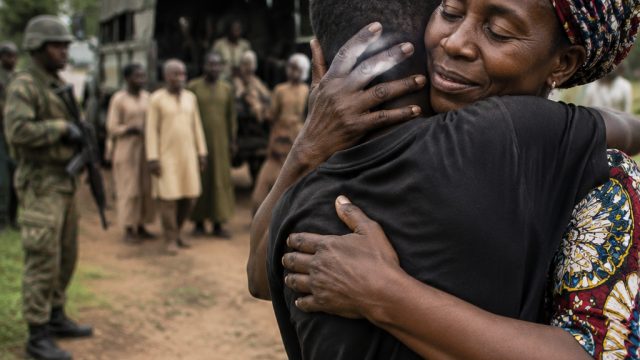
Significant Release of Kidnapped Individuals in Nigeria: A Glimpse into Ongoing Challenges
In a recent development that has captured both national and international attention, over 47 individuals, primarily women and children, have been freed in Nigeria. This release comes amidst escalating challenges posed by the terrorist faction known as ISWAP (Islamic State West Africa Province), underlining the ongoing risks that communities in this region face. With these unsettling times, understanding the broader implications of such kidnappings and releases is crucial.
The Current State of Kidnappings in Nigeria
Nigeria has been grappling with a significant increase in kidnappings for ransom, particularly in the northern regions. The prevalence of such crimes has instigated fear and uncertainty among local populations. The latest incident of release highlights the harsh reality many families endure, often waiting for months or even years for the safe return of their loved ones.
Impact on Communities
The psychological and social toll of these kidnappings is profound. Families are often left in despair, grappling with emotional and financial burdens. Moreover, the fear of violence influences day-to-day activities and hinders economic opportunities.
- Heightened anxiety levels among community members
- Disruption of local education systems as children stay away from schools
- Declining local economies due to reduced business activities
Recent Developments and Government Response
The Nigerian government has faced criticism regarding its handling of the kidnapping epidemic. However, the recent release of these individuals marks a significant, albeit temporary, victory in the ongoing struggle against ISWAP. Officials have emphasized an intent to strengthen security measures and increase support for affected regions.
Efforts to Enhance Security
In response to the alarming rise in kidnappings, the Nigerian military and police forces are collaborating to intensify operations against insurgent groups. This involves:
- Conducting targeted operations in known hotspots
- Increasing community policing initiatives
- Implementing community awareness programs to encourage reporting of suspicious activities
The Role of International Aid and Awareness
International organizations and foreign governments have been monitoring the situation closely, offering support in various forms. Humanitarian aid is essential in such crises, helping to provide for the immediate needs of those affected by violence and displacement.
Key Areas for Assistance
The international community can play a vital role in addressing the aftermath of these kidnappings by focusing on:
- Providing medical care for released captives
- Supporting rehabilitation programs for families
- Encouraging educational resources for children affected by conflict
Conclusion: A Call for Collective Action
The recent release of over 47 hostages in Nigeria shines a spotlight on the urgent need for effective strategies to combat the kidnapping crisis. As families rejoice in the return of their loved ones, the broader implications for safety and stability in the region remain a pressing concern. It is imperative for the government, communities, and international partners to work collaboratively in creating a safer environment. Only through collective action can the cycle of violence and fear be broken, paving the way for healing and progress.