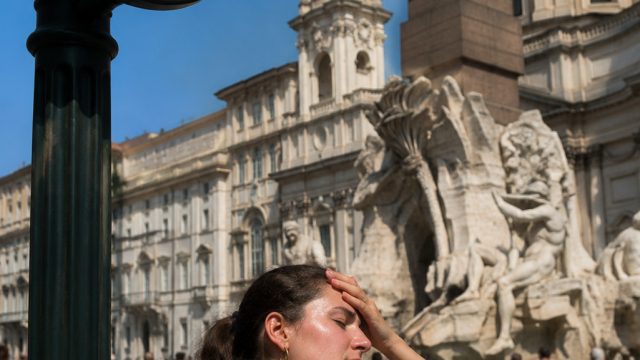
Europe Faces Record Heatwave: Impacts and Safety Measures
The summer of 2026 is turning into a historic heatwave for Europe, with soaring temperatures expected to break records across several countries. The current heatwave has triggered urgent warnings and safety measures as citizens face unprecedented heat that poses health risks. This article delves into the causes and effects of the heatwave, its implications for the health and well-being of the population, and offers crucial advice on how to cope with the extreme conditions.
Understanding the Heatwave: What's Happening?
As Europe grapples with soaring temperatures, the weather patterns contributing to this heatwave are becoming increasingly apparent. Meteorologists indicate that a high-pressure system has settled over much of the continent, leading to prolonged periods of extreme heat.
Temperature Records at Risk
In the UK, temperatures are forecasted to possibly exceed 38°C, threatening to break the long-standing record set in 1976. Meanwhile, France has issued red alerts for multiple regions after reporting significant heat-related fatalities.
- 19 heat-related deaths reported in France.
- Red alerts declared in over 15 cities in Italy.
- Warnings extend to numerous countries across the continent.
Climate Change's Role
Experts point to the ongoing impacts of climate change as a significant factor in these extreme weather conditions. Rising global temperatures are making heatwaves more frequent and intense, necessitating immediate action from both governments and citizens to minimize health risks.
Health Risks and Safety Recommendations
With health authorities raising alarms regarding the heatwave, it is imperative for individuals to take proactive measures to protect themselves and their families. Below are some key safety tips recommended by health ministries and weather agencies:
Stay Hydrated
Dehydration can quickly lead to more severe health issues during extreme heat. Ensure you:
- Drink plenty of water throughout the day.
- Avoid alcoholic beverages and excessive caffeine.
- Consume light, hydrating foods, such as fruits and vegetables.
Limit Outdoor Activities
During peak heat hours, it is advisable to:
- Stay indoors in air-conditioned environments.
- Refrain from strenuous activities, particularly from 11 AM to 4 PM.
- Use fans or cool showers to help lower body temperature.
Look Out for Vulnerable Populations
Certain groups are at a higher risk during heatwaves, including:
- The elderly, especially those with pre-existing health conditions.
- Children, who may not adapt to heat as effectively.
- Individuals with chronic illnesses, such as heart disease.
Community Response and Government Action
In response to the heatwave, various governments across Europe are implementing measures to safeguard public health. The French Prime Minister has convened an emergency meeting to address the rising number of heat-related incidents and develop strategies for crisis management.
Emergency Protocols
Authorities are advising citizens to:
- Monitor local news for updates on weather conditions.
- Follow guidelines from health officials regarding outdoor activities.
- Utilize community resources, such as cooling centers, for relief from the heat.
Conclusion: Staying Safe During Unprecedented Heat
The ongoing heatwave across Europe serves as a stark reminder of the changing climate and its impacts on human health. As temperatures rise, taking appropriate safety measures is crucial for maintaining well-being. By staying hydrated, limiting outdoor exposure, and remaining vigilant about the health of vulnerable individuals, we can collectively navigate this challenging period. Stay informed and prioritize safety to mitigate the effects of this extreme weather event.