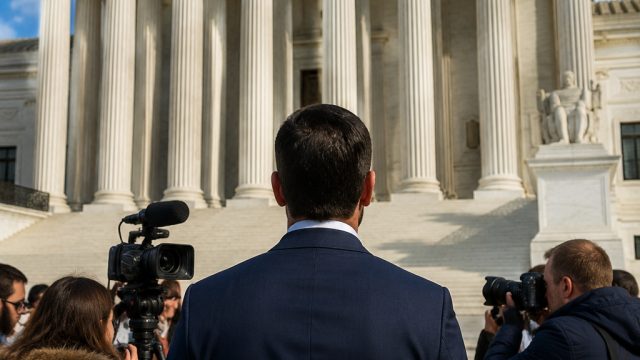
In a significant development in the realm of artificial intelligence regulation, a federal court in Washington DC is currently reviewing a case that questions the authority of the U.S. Commerce Department to impose export controls on hosted AI models. This legal challenge could redefine how AI technologies are regulated and accessed, especially concerning foreign nationals.
The Heart of the Case: A Challenge to Existing Authority
Legion LegalTech has brought forth a lawsuit against the United States and its Commerce Department, which raises pertinent questions about the nature of AI technology access. At the crux of the complaint is the assertion that the provision of AI services does not equate to the exportation of controlled technologies. The argument hinges on the fact that when users interact with AI models through hosted services, they do not receive the underlying code or technology — they simply input data and receive responses.
What Sparked the Legal Action?
- Background: The case was initiated after Anthropic, a leading AI research company, restricted access to its AI models, Fable 5 and Mythos 5, for users outside the United States following a directive from the Commerce Department.
- The Claim: Legion LegalTech contends that this restriction is unwarranted, as using an AI service remotely does not involve the actual transfer of sensitive technology or data.
Understanding the Implications of AI Export Controls
The outcome of this case is expected to have far-reaching implications for the AI industry and international collaboration in technology development. As AI continues to penetrate various sectors, the need for clear and effective regulatory frameworks becomes increasingly crucial. The legal scrutiny of AI export controls could either reinforce or dismantle existing barriers faced by companies wishing to offer their services internationally.
Potential Outcomes and Their Impact
If the court rules in favor of Legion LegalTech, it may set a precedent that alters how the U.S. government approaches the regulation of AI technologies. Here are some possible outcomes:
- Altered Export Control Policies: A ruling against the current interpretation of export controls could lead to a reevaluation of how similar technologies are classified, potentially easing access for international users.
- Enhanced Innovation: By allowing easier access to AI models, companies may find it easier to innovate and collaborate with international partners, fostering a more robust global AI ecosystem.
- Industry Response: A shift in regulatory stance may prompt companies to reassess their compliance strategies and consider adjustments to their operations in light of new legal interpretations.
The Current Landscape of AI Regulation
AI technologies have rapidly evolved, outpacing regulatory frameworks in many jurisdictions. As more companies venture into AI development, the need for a balanced approach that fosters innovation while ensuring security has never been more urgent. This case is emblematic of a larger struggle faced by regulators and industry stakeholders alike.
Why This Matters Now
With the increasing global competition in AI technology, the outcome of this legal battle is pivotal. It will not only affect the relationships between tech companies and regulators but also influence how AI services are offered on a global scale. As businesses like ruby slots online casino and platforms like cpgtoto navigate these waters, understanding the implications of such legal challenges becomes essential for strategic growth and compliance.
Conclusion: The Future of AI Regulation
The legal proceedings in Washington DC reflect a critical moment for the future of AI technology and its regulatory landscape. As this case unfolds, stakeholders across the tech industry are closely monitoring the implications for both domestic operations and international collaborations. The rise of digital platforms and services like betplace88 login and slottoto4d illustrates the urgency for clarity in regulations amid rapid technological advancements. As we await the court’s decision, one thing is certain: the stakes have never been higher for the future of AI innovation.