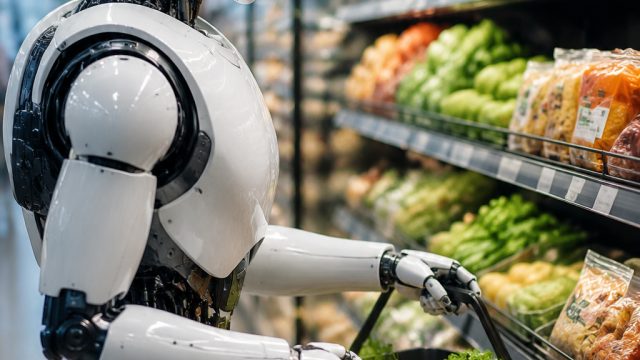
As we move towards the end of 2023, the e-commerce landscape is evolving rapidly, driven by advancements in artificial intelligence. Recent trends suggest that AI will soon be capable of completing online purchases on behalf of consumers, changing how we perceive online shopping forever. This shift raises critical questions for retailers about how to prepare for a future where customers can place orders without visiting a website.
The Rise of AI in E-commerce
The integration of AI in online shopping is not merely a futuristic concept; it is happening now. Increasingly, technologies are being developed that allow automated systems to handle transactions seamlessly. Tools like Stripe's Shared Payment Tokens are leading this advancement, enabling agents to make purchases using customer card information without needing direct access to the sensitive details.
What Does This Mean for Retailers?
For businesses, the implications of this new technology are profound:
- Enhanced Customer Experience: By automating the checkout process, retailers can reduce friction, making the shopping experience faster and more convenient for the consumer.
- Increased Sales Opportunities: With AI handling purchases, retailers can expect an uptick in conversions as the barriers to buying disappear.
- New Payment Solutions: Companies like Visa and Mastercard are already offering solutions that facilitate AI-driven transactions, making it easier for retailers to adopt these technologies.
Preparing Your Online Store for the AI Revolution
As AI continues to influence purchasing behavior, retailers must adapt to remain competitive. Here are some strategies for preparing your online store:
- Invest in AI Technologies: Explore platforms that incorporate AI to enhance user experience and streamline purchasing.
- Optimize Your Payment Systems: Ensure that your payment solutions can integrate with AI-driven tools to facilitate seamless transactions.
- Enhance Data Security: Protect customer information with robust security measures, as the use of AI may increase concerns over data privacy.
Understanding the Competitive Landscape
As AI technologies evolve, competition among retailers will intensify. Brands that quickly adopt AI solutions will likely gain a significant edge over their slower counterparts. For instance, Etsy has already begun integrating AI capabilities to automate various aspects of its marketplace, while major retail brands like Urban Outfitters and Free People are also leveraging AI for smoother customer interactions.
The Benefits of Embracing AI in Shopping
The potential benefits of adopting AI in e-commerce are numerous:
- Improved Customer Loyalty: A smoother shopping experience fosters customer satisfaction, leading to repeat business.
- Higher Profit Margins: By automating transactions, retailers can reduce costs associated with human labor and increase efficiency.
- Personalized Shopping Experiences: AI can analyze customer preferences and shopping habits to provide tailored recommendations, further driving sales.
What Customers Can Expect
For consumers, the shift towards AI in shopping will likely lead to a more intuitive and responsive shopping experience. As voice-activated assistants and AI-driven platforms become more commonplace, shoppers can expect:
- Time Savings: Quick, automated checkouts will significantly reduce the time spent on purchases.
- Convenience: AI will allow for purchases to be made on the go, without the need for manual input.
- More Personalized Offers: Shoppers may receive tailored promotions based on their buying behavior, enhancing their overall shopping experience.
Conclusion: Embrace the Change
The surge of AI in e-commerce is not just a trend but a transformative shift that retailers must embrace. As more companies deploy AI to manage transactions, staying ahead of the curve will require proactive adaptation. Retailers who invest in AI technologies and rethink their online strategies will not only enhance customer satisfaction but also secure their position in an increasingly automated marketplace. Be prepared—this evolution in shopping is unfolding quickly, and those who adapt will thrive while others may falter.