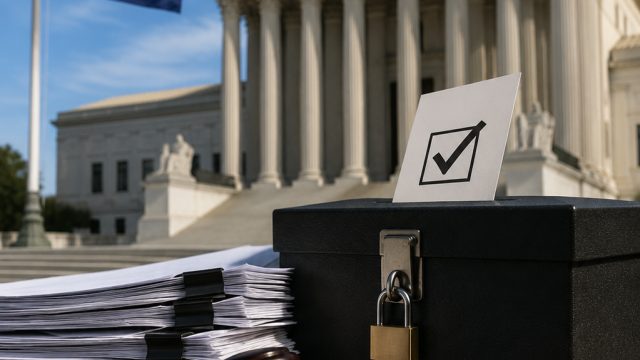
In a significant legal development, a federal appeals court has ruled that Michigan is not required to release sensitive voter data that was sought by the Trump administration. This decision underscores the ongoing tensions surrounding voter data privacy and the broader implications for electoral integrity.
Understanding the Court's Decision
The appeals court's ruling represents a major setback for initiatives aimed at probing alleged voter fraud. Federal authorities, including the Department of Justice, have struggled to substantiate claims of widespread electoral misconduct. This decision not only halts the push for data collection in Michigan but also sets a precedent for similar cases across the country.
Key Takeaways from the Ruling
- Protection of Sensitive Data: The court emphasized the need to safeguard voter privacy, asserting that releasing such information could lead to potential misuse.
- Challenges to Fraud Claims: The ruling reflects a growing skepticism regarding the justification for data requests linked to voter fraud allegations.
- Implications for Future Cases: This decision may impact how states respond to federal requests for voter data moving forward.
The Broader Context of Voter Data Privacy
Voter data is increasingly at the center of political debates, particularly concerning its accessibility and the purpose behind such requests. Privacy advocates have long warned that indiscriminate access to voter data can lead to harassment and discrimination against voters. The recent court ruling underscores the importance of balancing transparency with the need for privacy in electoral processes.
The Risks of Data Misuse
Concerns about data misuse are not unfounded. Instances of voter intimidation and targeted harassment have been reported in various states, raising alarm bells among civil rights organizations. By protecting voter data, the court has taken a crucial step in safeguarding the democratic process.
Implications for Election Integrity
This ruling is particularly timely as the nation gears up for significant elections. With voter trust already a contentious topic, ensuring that sensitive information remains confidential is vital to maintaining public confidence in the electoral system.
What This Means for Voters
For voters in Michigan and beyond, this ruling provides reassurance that their personal information is not subject to unfounded scrutiny. It reinforces the notion that data protection is essential in the face of political pressures.
Conclusion: A Critical Moment for Voter Privacy
The court's decision to block the administration's efforts to obtain Michigan's voter data serves as a crucial reminder of the importance of protecting voter privacy. In an age where information is easily accessible, safeguarding sensitive data is paramount for fostering trust in democratic institutions. As states navigate the complexities of voter data requests, this ruling may influence similar judicial outcomes, reinforcing the notion that privacy must be upheld in the electoral process.