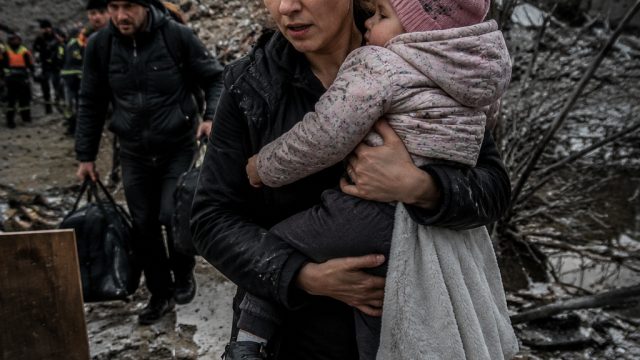
The ongoing conflict in Ukraine continues to take a heavy toll on humanitarian missions, with recent developments revealing a devastating increase in casualties. A demining specialist from the Norwegian People's Aid (NPA) tragically succumbed to injuries sustained during a Russian attack in the Vysokopil community, underscoring the perilous nature of providing aid in a conflict zone.
The Humanitarian Crisis in Ukraine
As the war drags on, humanitarian organizations are facing mounting challenges in delivering critical aid to the affected regions. The situation is particularly dire in areas like Kherson, where ongoing military aggression complicates efforts to support vulnerable populations. Recent incidents highlight the risks that aid workers face while trying to fulfill their mission.
Casualties Among Aid Workers
In the latest incident, the wounded NPA specialist was part of a team dedicated to demining efforts, which are crucial for ensuring the safety of civilians returning to their homes. Tragically, this is not an isolated case; several humanitarian workers have been injured or killed as a result of hostilities.
- Increased shelling has made it nearly impossible for humanitarian operations to proceed safely.
- Organizations are struggling to protect their staff while delivering much-needed assistance.
- The international community is urged to prioritize the safety of humanitarian workers.
Challenges in Delivering Aid
The challenges faced by humanitarian missions in Ukraine are vast. The Russian offensive has led to widespread destruction, hampering the ability of organizations like NPA to operate effectively. Humanitarian corridors, which are essential for delivering aid, are often targeted during conflict, making it even more difficult to reach those in need.
Impact on the Local Population
As the conflict escalates, the local population bears the brunt of the violence. Access to food, medical care, and shelter has been severely disrupted. Aid agencies are reporting:
- A significant rise in food insecurity among residents in conflict-affected areas.
- Increased need for medical supplies and equipment due to injuries.
- Challenges in maintaining sanitation and hygiene, leading to health risks.
The Role of International Support
The international community has a crucial role to play in supporting humanitarian missions. Increased funding, advocacy for safe access, and diplomatic efforts to stabilize the situation are necessary to enable these organizations to continue their vital work.
Calls for Greater Protection
Humanitarian organizations are calling for stronger measures to protect aid workers in conflict zones. This includes:
- Implementing clear guidelines for the protection of civilians and aid workers.
- Enhancing coordination among international actors to ensure effective responses.
- Raising awareness about the risks faced by humanitarian personnel.
Conclusion: A Call to Action
The situation in Kherson serves as a stark reminder of the dangers that humanitarian missions face in conflict zones. As casualties among aid workers rise, it is imperative for the global community to rally together to ensure the safety and effectiveness of humanitarian operations. The sacrifices made by these brave individuals must not be in vain; we must advocate for their protection and support their efforts to alleviate suffering in some of the most challenging conditions.