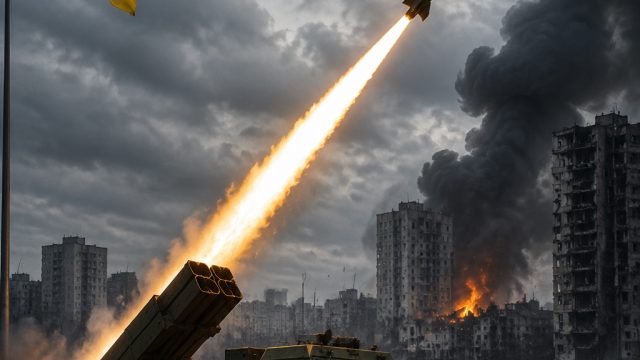
In a notable escalation of the ongoing conflict, Ukraine has recently executed long-range strikes targeting critical infrastructure in Russia, specifically a major natural gas facility and satellite communication centers. These developments mark a significant turning point in the war, underscoring Ukraine's capabilities and strategic objectives while simultaneously raising the stakes for Russia.
The New Phase of Warfare
This recent action highlights Ukraine's evolving military tactics, which have increasingly incorporated advanced drone systems and precision-guided munitions. As the conflict drags on, these capabilities are not just enhancing Ukraine's offensive operations but are also reshaping the battlefield dynamics. The strikes represent a calculated move to disrupt Russia's logistical capabilities, severely impacting its fuel supply and operational readiness.
Why Now? The Strategic Implications
The timing of these strikes is particularly significant. With winter approaching, Russia's natural gas production is under scrutiny, and any disruption to its output could have far-reaching consequences not only for the war effort but also for global energy markets. Ukraine's strikes serve a dual purpose: they aim to cripple Russia's military supply lines while sending a signal of resilience and determination to both domestic and international audiences.
Impact on Russia's War Strategy
These military actions have compelled Russian leaders to reevaluate their strategies and defenses. Recent reports suggest that the Kremlin is scrambling to address vulnerabilities exposed by Ukraine's advancements. As Russia copes with these disruptions, the potential for internal dissent might rise, due to the perceived mismanagement of resources and military strategies by the Russian government.
Logistical Challenges Arise
- Increased pressure on Russian supply lines
- Threats to energy infrastructure may lead to fuel shortages
- Potential for growing public discontent over military failures
International Reactions and Support
The international community is closely observing these developments, with many countries expressing support for Ukraine's right to defend itself. The strikes are expected to galvanize additional foreign assistance, both in terms of military supplies and economic backing. Enhanced cooperation with Western nations could further amplify Ukraine's capabilities, making it crucial for Russia to recalibrate its approach.
The Role of Technology
Sensor technology and drones have revolutionized modern warfare, allowing for precision in targeting and minimizing collateral damage. Ukraine's adoption of these technologies has been pivotal in executing successful missions against high-value targets. This trend reflects broader shifts in military engagements, where technology plays a decisive role in determining outcomes.
Looking Forward: The Future of the Conflict
As tensions heighten and military operations continue, one must consider the long-term implications of these strikes. They serve not only as tactical maneuvers but as a statement of intent from Ukraine: that it will not back down in the face of aggression. With winter looming and energy crises spiraling, the potential for a more intense conflict remains high.
Potential Scenarios
- Continued strikes could lead to further retaliations from Russia
- Increased international support for Ukraine may shift the balance of power
- Economic ramifications for both countries as energy supplies fluctuate
Conclusion
The recent long-range strikes by Ukraine against Russian infrastructure represent a critical juncture in the ongoing conflict. By targeting essential facilities, Ukraine not only enhances its military strategy but also sends a clear message regarding its resolve to maintain sovereignty. As the situation evolves, the international community watches closely, knowing that the repercussions will extend far beyond the battlefield.