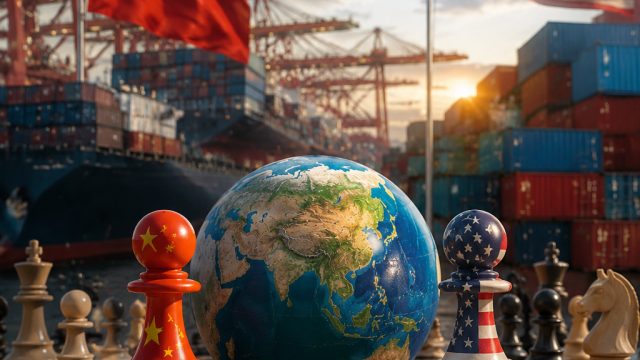
In an escalating economic battle, China has recently declared new export restrictions targeting ten American companies and organizations. This move comes in retaliation to U.S. restrictions placed on several Chinese firms earlier this year, creating a ripple effect in global trade relations. As businesses and investors alike tune in, understanding the implications of these restrictions is crucial for navigating the current economic landscape.
Understanding the Context of China's Export Restrictions
The backdrop to these new export restrictions lies in the ongoing tensions between the United States and China. The U.S. has been increasingly scrutinizing Chinese technology and business practices, leading to a series of sanctions and limitations on Chinese firms. In June 2023, the U.S. government imposed measures on various Chinese companies, purportedly for national security reasons, prompting a swift response from Beijing.
What Are the Affected U.S. Companies?
According to the official announcement from Chinese authorities, the ten targeted companies include significant players in technology, telecommunications, and defense sectors. The specifics of the export restrictions are still being clarified, but they are expected to limit access to critical technologies and components needed for manufacturing and production.
- Technology firms that rely on semiconductor exports
- Telecommunications companies facing supply chain disruptions
- Defense contractors who depend on international trade
Immediate Impacts on Trade Dynamics
These restrictions are set to alter the landscape of U.S.-China trade relations significantly. The following impacts are already emerging:
1. Supply Chain Disruptions
As companies scramble to adjust to new limits on exports, supply chains are likely to face disruptions. Businesses relying on imports from China may experience delays, which can affect production schedules and lead to increased costs. This is particularly critical for sectors where just-in-time manufacturing is the norm.
2. Increased Costs for Consumers
With companies likely passing on the increased costs associated with supply chain disruptions, consumers could face higher prices for goods. This could diminish purchasing power and affect overall consumer spending, further complicating economic recovery efforts.
3. Shifts in Investment Strategies
Investors are urged to stay vigilant as geopolitical tensions intensify. Companies may need to reevaluate their investment strategies and consider diversifying their supply chains to mitigate risks associated with such restrictions.
Global Reactions and Future Considerations
Countries and businesses around the world are closely monitoring the situation. Analysts predict that these escalating tensions could lead to a reconfiguration of global trade routes and partnerships. Industries reliant on international cooperation might need to adapt quickly to maintain their competitive edge.
How Will This Affect Latin America and Asia?
In Latin America, countries like Argentina could potentially see opportunities arise as U.S. firms seek alternative suppliers. Meanwhile, Asian nations, particularly those involved in technology and manufacturing, may experience shifts in trade patterns as companies reassess their dependencies.
Conclusion: Navigating the Future of U.S.-China Trade Relations
The recent export restrictions by China mark a pivotal moment in the ongoing trade tensions between the U.S. and China. As companies and investors grapple with the immediate and long-term impacts, the need for strategic adaptability has never been more urgent. Being informed and proactive is essential for navigating the complexities of this evolving landscape.
As the situation unfolds, stakeholders must stay updated on developments and consider the implications for their businesses. The interplay between these two economic giants will likely continue to shape global markets, presenting both challenges and opportunities in the coming months.