
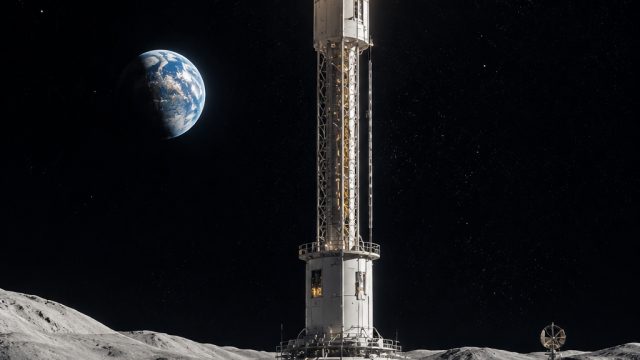
In a significant advancement for lunar exploration, Blue Origin has introduced a demonstration version of a solar power tower, a crucial infrastructure element aimed at powering future operations on the Moon. This innovative solution is designed to enhance the sustainability of long-term lunar missions, addressing the pressing need for effective energy sources as space agencies and private companies prepare for more extensive Moon Base initiatives.
Why Solar Power is Vital for Lunar Missions
The establishment of a permanent base on the Moon represents a monumental step in humanity's quest for space exploration. As plans become more concrete, the necessity for reliable energy sources becomes paramount. Solar energy, abundant in the lunar environment, offers a clean and renewable alternative to traditional fuel sources. The solar power tower from Blue Origin stands as a pioneering effort to harness this resource effectively.
The Tower's Design and Functionality
- Height and Structure: The tower reaches a total height of 85 feet (26 meters) when fully deployed, making it a formidable presence on the lunar landscape.
- Solar Array Deployment: As the tower extends, it deploys multiple solar arrays that are engineered to capture and convert sunlight into usable energy for lunar operations.
- Integration with Lunar Infrastructure: The power tower will be mounted atop the Blue Moon MK1 lander, showcasing a seamless integration of technology for efficient energy utilization.
Impact on Future Lunar Operations
The introduction of the solar power tower is not just a technical achievement; it signifies the onset of an infrastructure era for lunar exploration. As missions become more regular and advanced, the need for self-sustaining energy systems will grow. Here are several ways the power tower will impact future lunar operations:
Enhancing Energy Independence
With the ability to generate electricity on-site, lunar bases can reduce reliance on Earth-supplied power sources, which are both costly and logistically challenging to transport. This autonomy is crucial for long-duration missions, where consistent energy supply is necessary for life support systems, scientific equipment, and construction tools.
Support for Scientific Research and Development
The power generated by the solar tower will facilitate a wide range of scientific initiatives on the Moon. Whether conducting experiments in lunar geology, testing new technologies, or exploring the potential for in-situ resource utilization, reliable energy is essential to propel these projects.
Building Towards a Sustainable Future
As Blue Origin and other entities venture further into lunar exploration, sustainability must be at the forefront. The adoption of renewable energy technologies like solar power towers aligns perfectly with the goal of minimizing environmental impact while maximizing operational efficiency. This approach not only benefits lunar missions but sets a precedent for future interplanetary endeavors.
The Bigger Picture: A New Era of Space Exploration
Blue Origin's solar power tower is a testament to the innovative spirit driving the new era of space exploration. As companies work in tandem with space agencies around the world, the potential for technological breakthroughs is significant. The challenge now will be ensuring these advancements translate into real-world applications that benefit human presence on the Moon and beyond.
In the larger context of lunar exploration and eventual colonization, the implications of successful solar energy integration could be profound. The lessons learned from deploying such infrastructures will undoubtedly inform future missions to Mars and other celestial bodies, where similar challenges regarding energy supply and sustainability will arise.
Conclusion: The Dawn of Lunar Infrastructure
As Blue Origin takes this bold step in demonstrating its solar power tower, it opens the door to a future where lunar bases can thrive and expand. This initiative is not merely about energy; it is about laying the groundwork for a self-sufficient human presence on the Moon, paving the path towards exploration and habitation beyond Earth. The time has come to embrace this vision, aligning our technological advancements with our aspirations as a space-faring civilization.




