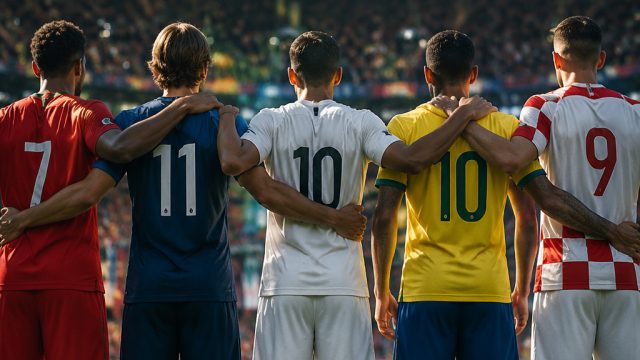
As the world gears up for another thrilling World Cup, it’s essential to examine the dynamics that are altering the landscape of national soccer teams. In recent years, migration patterns, the remnants of colonial history, and the rise of elite academies have all played pivotal roles in defining who represents a nation on the global stage. This article delves into these factors and their significance, offering insights that resonate today.
The Role of Migration in Soccer
Migration has always been a staple of the soccer narrative. Players have frequently crossed borders, bringing their talents to new teams and leagues. However, the current wave of migration is significantly different, as it is increasingly driven by political, economic, and social factors. This has led to a more diverse representation on the field.
Changing National Identities
Traditionally, national teams have been composed of players who were born within their country. But with the influx of migrants, national identities in soccer are becoming blurred. Players who may have been born in one country but raised in another are now representing nations based on their heritage rather than their geographical upbringing. This shift has profound implications for how national pride and identity are perceived in the world of sports.
Colonial History and Its Impact on Soccer
Colonial legacies significantly impact current national soccer teams. Nations that were once colonies often have deep-rooted connections to their colonizers, which can manifest in sports. This historical context provides players with unique opportunities to navigate between cultures and identities, enhancing the multicultural fabric of teams.
Examples from the Field
- France: The French national team is a prime example of this dynamic, with many players hailing from former colonies in Africa. This diversity not only represents the nation’s complex history but also contributes to a richer soccer culture.
- Belgium: Another notable case is Belgium, where players like Romelu Lukaku and Kevin De Bruyne reflect the multicultural influences that shape the team.
Elite Academies and Player Development
In addition to migration and history, elite academies are turning out players who may not necessarily represent their country of birth. These academies are becoming melting pots of talent from various backgrounds, influencing the next generation of soccer stars.
Opportunities for Young Talents
These institutions offer training and resources that many young players might not have in their home countries. Programs are increasingly attracting talents from around the world, regardless of their nationality, which further diversifies national teams. This availability of training opportunities enhances the skillset available to national selectors.
Why This Matters Now
With the next World Cup approaching, understanding these dynamics is more critical than ever. National teams are not just a reflection of their nations but also of global interactions. The way players navigate their identities will define not just the teams but also how fans perceive national pride and competition.
Implications for the Future of Soccer
The implications extend beyond just the current tournaments. As trends in migration continue to evolve, so too will the make-up of national teams. Societies are becoming increasingly interconnected, and soccer is a prime example of this phenomenon. Players like Kylian Mbappe, who represent a blend of cultural identities, showcase the new era of global sport.
Conclusion
As the soccer world anticipates the upcoming World Cup, it is vital to recognize how migration, colonial history, and elite academies shape national teams. The evolving identity of soccer players reflects broader societal changes and highlights the beauty of global collaboration. Fans should embrace this diversity, as it enhances the sport and creates a richer narrative on the field. Understanding these aspects will not only deepen appreciation for the game but also foster a culture of inclusivity in sports.