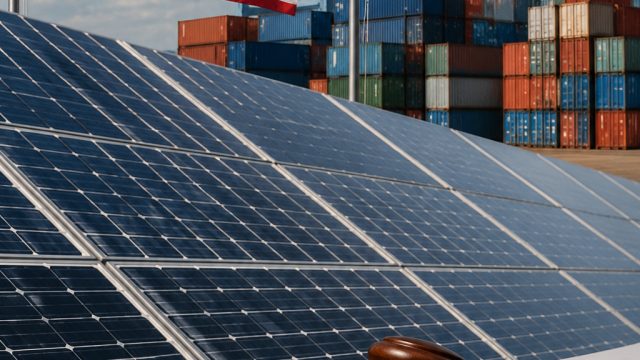
In a significant development that could reshape the landscape of solar manufacturing in the United States, three prominent solar manufacturers are urging the U.S. Department of Commerce to launch an investigation into the importation of solar cells from South Korea. This request comes amid growing concerns regarding unfair trade practices and their potential impact on the domestic solar industry.
The Background of the Request
The solar industry in the United States has been experiencing rapid growth, driven by advancements in technology and increasing demand for renewable energy solutions. However, recent reports indicate that imports of solar cells from South Korea have surged, raising alarms among local manufacturers. Companies such as First Solar, SunPower, and Vivint Solar are at the forefront of this initiative, claiming that the influx of these imports threatens to undermine their market position.
Concerns Over Market Fairness
Manufacturers argue that the competitive edge provided by foreign imports, particularly from South Korea, is not based solely on quality or innovation. They contend that these imports are being sold at artificially low prices—potentially due to government subsidies in their home country. This has prompted U.S. companies to seek intervention from the government to level the playing field.
Why This Matters Now
The timing of this call for investigation is critical. As the Biden administration pushes for an ambitious agenda on renewable energy, the integrity of the domestic solar manufacturing sector is paramount. A thorough investigation could lead to the implementation of tariffs or other protective measures against unfairly priced imports, thereby safeguarding U.S. jobs and investments in the renewable sector.
Implications for Domestic Manufacturers
- Job Security: Protecting the domestic market helps secure jobs in manufacturing and installation.
- Investment Growth: A stable domestic market can attract further investment in solar technology and infrastructures.
- Innovation Boost: Encouragement for U.S. manufacturers to innovate and improve their products without the pressure of unfair competition.
Stakeholder Reactions
The reaction to this news has been mixed. Advocacy groups for renewable energy have expressed support for American manufacturers while also emphasizing the importance of maintaining trade relationships. Some believe that a balanced approach is necessary to ensure that the U.S. does not isolate itself from valuable international markets.
Expert Opinions
Industry experts are weighing in on the potential outcomes of the investigation. Dr. Emily Carter, an economist specializing in renewable energy, states, "The findings of this investigation could set a precedent for how the U.S. navigates trade in the energy sector moving forward. We need to ensure that our market remains competitive but also fair."
Others caution against hasty decisions that could lead to trade wars, which historically have not ended well for American industries. An equilibrium between defending domestic interests and fostering global trade relationships must be found.
The Broader Impact on the Sector
A potential fallout from this investigation could reverberate throughout the solar energy sector. If protective measures are enacted, they could lead to increased prices for solar products in the U.S., impacting consumers and the adoption of solar energy solutions. However, manufacturers argue that such actions are necessary to ensure the health of the renewable energy market over the long term.
Looking Ahead
The outcome of this investigation will be pivotal for the future of solar energy in the U.S. It is essential for stakeholders—manufacturers, investors, and consumers alike—to stay informed and engaged in the process. With an increasing push for sustainable energy practices, the decisions made today will shape the industry's landscape for years to come.
Conclusion
As the U.S. solar industry navigates these turbulent waters, the call for an investigation into South Korean solar cell imports highlights the complexities of international trade and domestic manufacturing. The implications of this investigation extend beyond just the current market dynamics; they will influence the future trajectory of renewable energy in America. Stakeholders must remain vigilant as the situation unfolds, ensuring that the push for renewable energy continues unimpeded by unfair practices.