
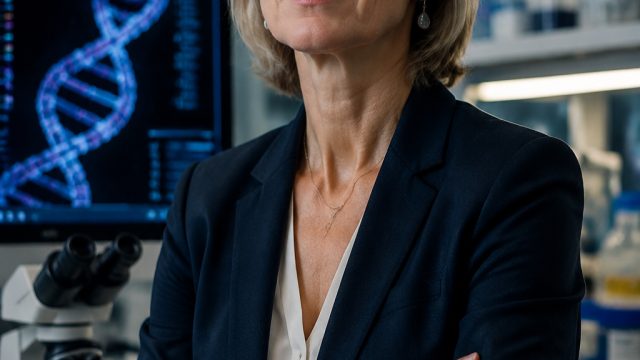
In the rapidly evolving world of biotechnology, few names resonate as strongly as that of Jennifer Doudna. A Nobel Prize-winning scientist and a leading figure in the development of CRISPR gene editing technology, Doudna is at the forefront of discussions about the future of genetic manipulation. As the scientific community and society at large grapple with the ethical implications and potential applications of this technology, understanding Doudna's insights has never been more critical.
The Genesis of CRISPR: A Game Changer in Biotechnology
CRISPR technology, which stands for Clustered Regularly Interspaced Short Palindromic Repeats, has revolutionized the field of genetics. Doudna, along with her collaborator Emmanuelle Charpentier, developed this groundbreaking tool that allows scientists to edit genes with unprecedented precision. The discovery was not only a significant scientific achievement but has also opened doors to potential solutions for various global health challenges.
The Promise of Gene Editing
Gene editing holds immense promise for treating genetic disorders, improving crop resilience, and even combating climate change. Doudna emphasizes that while the technology is powerful, it must be approached with caution. The implications of editing human genes raise ethical questions that society must address before widespread application.
Current Applications of CRISPR Technology
- Medical Advancements: CRISPR is being investigated for its potential to cure genetic diseases such as sickle cell anemia and cystic fibrosis.
- Agricultural Improvements: Researchers are using CRISPR to develop crops that are more resistant to pests and extreme weather, contributing to food security.
- Environmental Solutions: Gene editing can help in designing organisms that can absorb carbon more efficiently, assisting in climate change mitigation.
Challenges and Controversies in Gene Editing
As with any emerging technology, gene editing is not without its controversies. The ability to alter genetic material raises profound ethical and moral questions. Doudna has been a vocal advocate for responsible research practices, urging scientists and policymakers to work together to establish guidelines that ensure safety and equitable access.
The Ethical Landscape
One of the most pressing concerns is the potential for gene editing technology to be misused. The prospect of “designer babies” and genetically engineered organisms poses risks that society must navigate carefully. Doudna believes that open discussions and regulations are essential to prevent misuse and encourage beneficial applications of the technology.
Public Perception and Acceptance
Public understanding of gene editing plays a critical role in its development. Scientists like Doudna are working to communicate the benefits and risks to the broader community, stressing the importance of informed public discourse. Engaging with various stakeholders, from scientists to ethicists and the general public, is vital for shaping the future of gene editing.
Looking Ahead: The Future of Gene Editing
As Doudna reflects on the future, she emphasizes the need for collaboration across disciplines. The intersection of biology, technology, and ethics will define the next phase of gene editing. With advancements occurring at an unprecedented rate, the scientific community must remain vigilant and proactive in addressing the societal implications that come with powerful tools like CRISPR.
Potential Future Developments
- Advanced Therapeutics: Continued research may lead to therapies that correct genetic mutations at their source.
- Personalized Medicine: Tailoring treatments based on an individual’s genetic makeup could become commonplace.
- Global Health Initiatives: CRISPR could play a significant role in tackling infectious diseases and health disparities worldwide.
Conclusion: A Call to Action for Responsible Gene Editing
Jennifer Doudna's insights into the future of gene editing highlight both the incredible potential and the inherent risks associated with this technology. As we stand on the precipice of a new era in biology, it is crucial for scientists, policymakers, and the public to engage in informed discussions. The future of gene editing will be shaped by our collective choices about how to harness its power responsibly. Understanding and addressing the ethical implications today will pave the way for a tomorrow where gene editing can contribute positively to global society.




