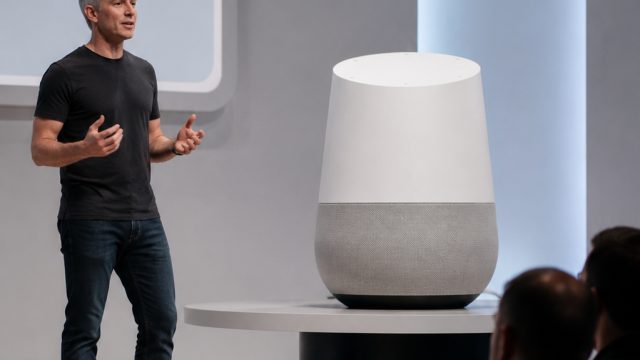
The tech world is abuzz with the recent unveiling of the Google Home Speaker, now powered by the advanced Gemini technology. As preorders open for this $100 device, many are eager to discover its features and what sets it apart from its predecessors, particularly the discontinued Nest Mini and Nest Audio. This launch not only signifies a new chapter for Google in the smart speaker market but also raises questions about some unexpected hardware decisions.
What to Expect from the New Google Home Speaker
The Google Home Speaker has been designed with a host of new features aimed at enhancing user experience. With the integration of Gemini technology, the speaker promises improved sound quality and a more responsive AI assistant. Let’s dive into the standout features of this new device:
- Enhanced Sound Performance: The speaker boasts upgraded bass and treble settings, making it ideal for music lovers.
- AI-Driven Functions: The Gemini technology enhances Google Assistant's capabilities, providing smarter responses and more accurate assistance.
- Smart Home Integration: Seamlessly connects with various smart home devices for a cohesive control experience.
Why Google is Shifting Focus
The decision to phase out the Nest Mini and Nest Audio in favor of the new Google Home Speaker reveals a strategic shift in Google's approach to the smart speaker market. This transition aims to consolidate features and focus on delivering a singular, highly optimized product. The rationale behind this move reflects a deep understanding of consumer demands and a commitment to innovation.
Hardware Decisions: What’s New and What’s Missing?
While the new Google Home Speaker introduces exciting features, some hardware decisions have raised eyebrows among tech enthusiasts. Notably, the speaker has done away with certain functionalities that were previously enjoyed by users of the older models. Here’s a breakdown of what users can expect:
- Loss of Certain Inputs: The absence of traditional connection ports might limit usage flexibility.
- Design Changes: The aesthetic alterations may not appeal to all users, as some preferred the look of the older models.
- Pricing Strategy: With a starting price of $100, the speaker competes not just with its predecessors but also with other brands in the market.
Consumer Reactions and Expectations
Initial reactions from tech reviewers and consumers alike have been mixed. While many are excited about the new features, others express concern over the hardware limitations. The conversations surrounding the Google Home Speaker highlight a larger trend where consumers are increasingly valuing functionality alongside design aesthetics.
Conclusion: The Future of Smart Speakers
The launch of the Google Home Speaker marks a significant moment in the evolution of smart home technology. As it seeks to redefine user interaction, the focus on Gemini technology may set a new standard for voice-activated devices. For consumers eager to enhance their home experience, this speaker could be a pivotal addition. However, the effectiveness of Google’s hardware choices will ultimately determine its success in the competitive smart speaker market. As we look forward, the future of smart speakers hinges on the balance between innovation and user-centered design.