
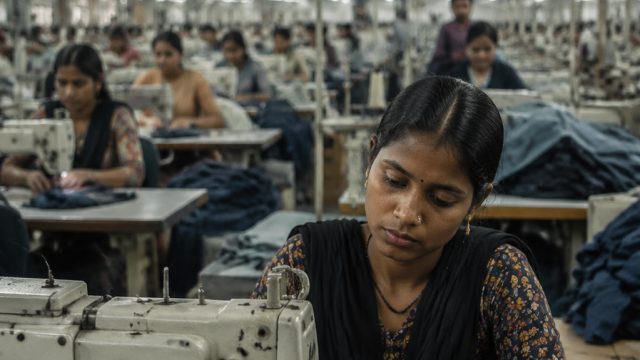
The rise of automation and artificial intelligence is reshaping various industries across the globe, and India is no exception. As factories increasingly adopt advanced technologies, the human workforce faces both opportunities and challenges. A recent incident involving garment workers in Delhi sheds light on the complex relationship between employees and automation.
Understanding the Shift Towards Automation
Automation refers to the use of technology to perform tasks that were once carried out by humans. While it can lead to increased efficiency and reduced production costs, it also raises crucial questions about job security and the future of work.
The Reality for Workers
In a notable case, workers at a garment factory were instructed to wear head-mounted cameras as part of an initiative to gather data potentially for AI training purposes. Initially, this directive was met with laughter, but the tone quickly shifted to concern as the implications of such surveillance became evident.
- Privacy Invasion: Workers felt uncomfortable with constant monitoring.
- Job Security: Many feared that their roles could be replaced entirely by AI.
- Data Misuse: There were worries about how the collected data would be used.
The Importance of Transparency in Automation
As automation becomes more prevalent, companies must prioritize transparency in how they implement these technologies. Workers should be informed about the purpose of new tools and the potential impact on their jobs.
Key Considerations for Employers
- Clear Communication: Companies should openly communicate changes and involve workers in discussions about automation.
- Training Programs: Providing training can help employees adapt to new technologies and retain their roles.
- Ethical Practices: Employers should adopt ethical practices regarding data use and employee monitoring.
Responding to Worker Concerns
It's essential for businesses to acknowledge and respond to the concerns of their workforce. As automation continues to transform industries, fostering a dialogue between management and employees can lead to more sustainable outcomes.
Engaging Workers in the Conversation
Creating a collaborative environment can benefit both employers and employees. Here are a few strategies:
- Feedback Mechanisms: Establishing channels for workers to voice their opinions on automation initiatives.
- Participatory Decision-Making: Involving employees in decision-making processes related to new technologies.
- Regular Updates: Keeping workers informed about technological advancements and their implications.
Conclusion: The Future of Work in an Automated World
The intersection of automation and human labor is a critical area that requires careful consideration. As companies continue to innovate, it’s vital that the human element is not overshadowed by technological advancements. Addressing the fears and concerns of workers not only protects jobs but can also lead to a more engaged and productive workforce.
As we move forward in this rapidly changing landscape, let us remember that technology should serve humanity, not replace it. The future of work will depend on how we navigate these challenges together, ensuring that innovation and compassion go hand in hand.




