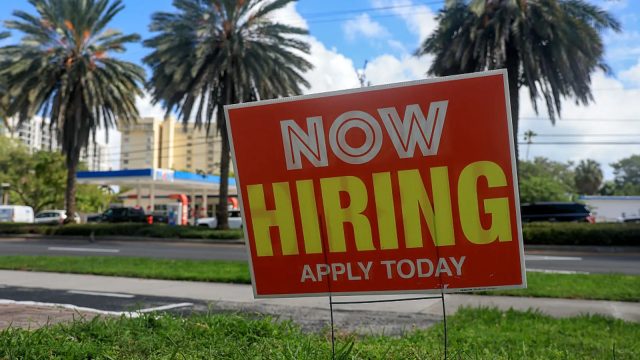
Farmers are currently navigating significant economic pressures, with inflation rates surpassing 3%. These challenges are intensified by trade tensions and rising costs, leading to potential financial hardships.
Key Takeaways
- Inflation remains above 3%, impacting farmer profitability.
- Trade tensions are affecting agricultural exports, particularly to Southeast Asia.
- Farmers are facing increased costs for supplies and labor.
- The economic landscape poses risks to food production stability.
- Policy interventions may be necessary to assist struggling farmers.
The agricultural sector is grappling with unprecedented economic challenges as inflation rates remain uncomfortably high, currently hovering above 3%. This situation has raised concerns about the long-term viability of farming operations across the United States, especially in crucial agricultural hubs like the Midwest and regions heavily reliant on exports to markets in Southeast Asia, such as Indonesia.
Current Economic Landscape
The financial strain on farmers is exacerbated by several factors. Rising input costs, encompassing everything from seeds to fertilizer, have become a common worry for many producers. Moreover, labor shortages have driven up wages, further squeezing profit margins. In addition, trade tensions, particularly those stemming from recent geopolitical shifts, have led to uncertainties regarding international markets.
Inflation and Its Effects
Inflation is not just a number; it translates into real costs for farmers. According to recent reports, the Consumer Price Index has shown persistent high inflation levels, which means everything from equipment maintenance to transportation costs has increased. Farmers report that these rising expenses are making it harder to stay afloat.
Trade Tensions Impacting Exports
Trade relations, especially with countries in the ASEAN region, have been volatile. The U.S. agricultural sector relies heavily on exports, and disruptions can lead to substantial losses. For example, the Indonesian market has been a stable destination for U.S. agricultural products, but increasing trade barriers could threaten this vital revenue source.
Farmers in Crisis
The convergence of these factors has left many farmers in a precarious position, with some reporting that they are facing financial ruin if conditions do not improve. According to agricultural economists, a significant percentage of farmers are operating at a loss, highlighting the urgent need for effective solutions.
Support Mechanisms
To address these challenges, policymakers are being urged to consider various support mechanisms. Potential strategies include direct financial aid for affected farmers, incentivizing domestic production, and enhancing trade agreements to ensure stable export markets. Collaborative efforts between government agencies and agricultural organizations are crucial at this juncture.
The Road Ahead
Looking forward, the agricultural community must adapt to the evolving economic landscape. Innovations in farming techniques and supply chain management may provide some relief. Additionally, farmers are encouraged to explore alternative markets, including online platforms like Codashop and others that cater to international gaming products, which have shown growth in regional markets.
Conclusion
The agricultural sector is at a critical juncture, facing inflation and trade uncertainties that threaten its stability. As farmers navigate these challenges, a collective effort from policymakers, industry leaders, and communities will be essential to ensure the future of farming in the U.S. remains bright. Addressing these issues is not only vital for farmers but also for the broader economy that relies on their success.