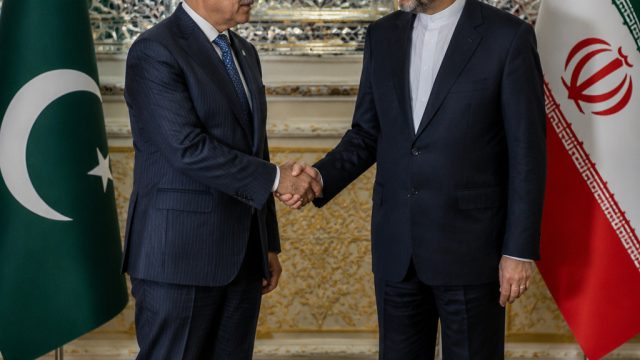
Why Pakistan's Diplomatic Maneuvers with Iran Are Crucial Right Now
In a rapidly changing geopolitical landscape, Pakistan's evolving relationship with Iran presents significant implications for regional stability and global diplomacy. As nations navigate the complexities of foreign relationships, Islamabad's approach towards Tehran could not only redefine their bilateral ties but also influence broader Middle Eastern dynamics. This article delves into Pakistan's strategic role as a mediator and its potential to leverage its position for national interests.
The Current Landscape of Pakistan-Iran Relations
The recent diplomatic engagements between Pakistan and Iran signal a shift towards enhanced cooperation. Amidst rising tensions in the Middle East, both countries are exploring opportunities to strengthen their ties. Pakistan's history as a mediator in regional disputes positions it uniquely to foster dialogue between Iran and other nations.
Historical Context
Historically, Islamabad and Tehran have shared a complex relationship marked by both cooperation and contention. However, recent developments have paved the way for renewed dialogue. As both countries seek to fortify their economies and security frameworks, collaboration may open doors to mutually beneficial partnerships.
Strategic Importance of Mediation
Pakistan's role as a mediator extends beyond simply acting as a third party. Its unique position allows for the potential resolution of conflicts that have long plagued the region. By facilitating discussions, Islamabad not only helps to stabilize its immediate environment but also enhances its standing on the global stage.
Implications for Regional Stability
The ramifications of Pakistan's mediation efforts are significant. Successfully navigating the complexities of Iran's interactions with other regional players could lead to decreased hostilities and a climate more conducive to economic partnerships.
- Enhanced trade routes between South Asia and the Middle East.
- Joint initiatives in combating terrorism and securing borders.
- Strengthened cultural and economic ties through collaborative projects.
Potential Challenges Ahead
While the prospects for enhanced Pakistan-Iran relations are promising, numerous challenges remain. Internal politics, international pressure, and differing national interests could complicate the mediation process. However, a proactive approach to addressing these challenges could yield significant rewards.
Key Challenges
- Balancing relations with Western powers while engaging Iran.
- Managing domestic political factions that may oppose closer ties with Tehran.
- Addressing security concerns, particularly regarding border control and terrorism.
Conclusion: A Pivotal Moment for Pakistan and Iran
As Pakistan navigates its diplomatic course with Iran, the stakes are high. The potential for increased collaboration presents not only an opportunity for economic growth but also a chance to redefine regional relationships adversely affected by years of conflict and distrust. The coming months will be crucial as Islamabad seeks to maximize its role as a mediator and secure its own strategic interests. In the ever-evolving landscape of international relations, Pakistan's actions today could lay the groundwork for a more stable and prosperous tomorrow.